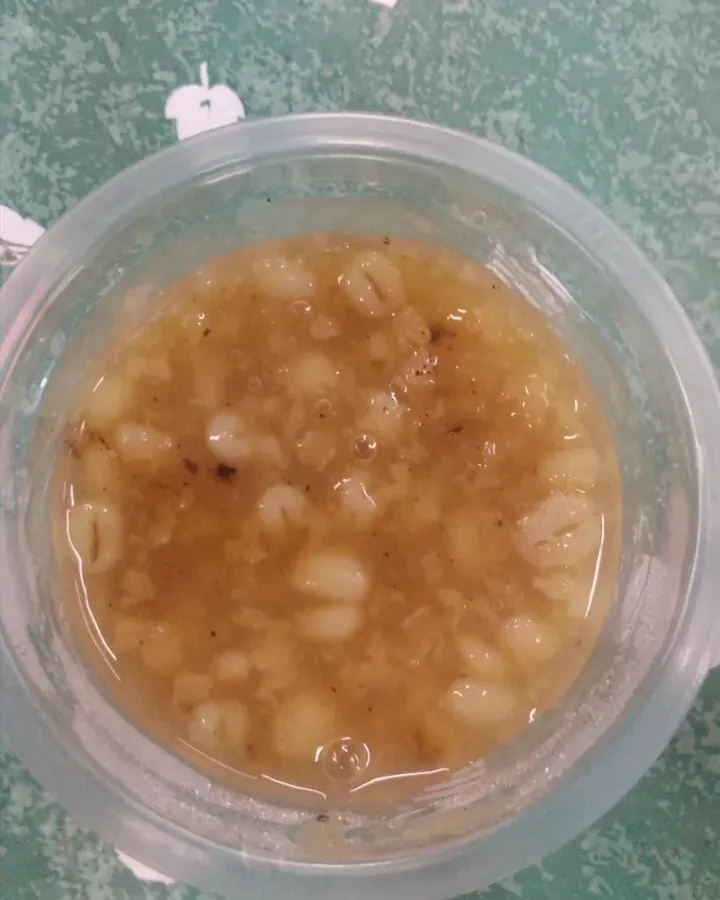
瓶裝紅豆薏仁水退燒了:二季度實體通路賣少 20.1%,新品從 134 款掉到 49 款,龍頭改拚產地
Bottled red-bean water cools off: Q2 in-store sales down 20.1%, launches down from 134 to 49, and the leader bets on origin
文:Jasmine Chang・Souls of Sunshine
三年長 35 倍的中式養生養水,今年第一次明顯降溫。元氣森林在珠海說好自在還是雙位數成長,接下來要賣暖薑紅棗水。
30 秒版TL;DR
- 零售監測機構馬上贏:2026 年二季度中式養生水線下銷售額年減 20.1%,新品從去年同期 134 款減到 49 款。
- 元氣森林 11/20 在珠海的經銷商大會說,好自在今年營收仍是雙位數成長(沒公布數字);2025 年好自在在這個品類的市占是 50.8%。
- 比的東西變了:公開原料產地的品牌從 2023 年的 47% 升到 2025 年的 55%;好自在 2027 年要推暖薑紅棗水,家庭裝和 330 毫升小瓶都有。
導讀WHY IT MATTERS
中式養生水是中國飲料業這幾年最大的新品類之一,它降溫代表消費者開始挑:不是有紅豆薏仁就買單。
- 品類退燒
- 一個新品類剛紅時大家搶著推新品,等熱度過去,銷售下滑、新品變少,小品牌退場,剩下的龍頭靠品質和通路撐住。中式養生水二季度實體通路銷售額年減 20.1%、新品從 134 款掉到 49 款,就是這個階段。
- 原料溯源
- 標明原料從哪裡來、怎麼種、怎麼加工,讓消費者和監管單位可以追。龍頭品牌改拚產地(例如東北的珍珠紅紅豆),是因為在退燒期,「看得到的品質」比新口味更能留住人。
- 薏仁的寒性
- 中醫認為薏仁(薏苡仁)性微寒,利水滲濕,所以適合濕熱、容易水腫的人;體質學偏寒、腸胃虛弱、懷孕的人不建議大量常吃。炒過的薏仁寒性比較低。
這則在講什麼THE STORY
日光脈搏之前寫過「把阿嬤的紅豆薏仁湯裝進寶特瓶」,那時中式養生水三年長了 35 倍。半年後,數字開始轉向:零售監測機構馬上贏說,今年二季度中式養生水在實體通路的銷售額年減 20.1%,是它監測的飲料類別裡跌最多的之一;同期新品從 134 款掉到 49 款。小品牌在退場。
龍頭的說法不一樣。元氣森林 11 月 20 日在廣東珠海開全國經銷商大會,說好自在今年營收還是雙位數成長,沒有給確切數字;據馬上贏和前瞻產業研究院,2025 年好自在在中式養生水的市占是 50.8%。
他們講的重點是原料:測了 40 多種紅豆,選了東北的「珍珠紅」,2025 年和十月稻田在黑龍江合建近萬畝紅豆基地。前瞻的報告說,公開原料產地的品牌,從 2023 年的 47% 升到 2025 年的 55%。
我的看法:中式養生水從長 35 倍到年減 20%,是每一個爆紅品類都會走的路:先是大家衝進來,然後退潮,最後只剩真的有東西的人。新品從 134 款掉到 49 款,說明很多小品牌只是換個包裝跟風;好自在還能雙位數成長、市占一半,靠的不是更好的行銷,而是它開始拚原料:測 40 多種紅豆、在黑龍江建近萬畝基地、公開產地。公開原料產地的品牌越來越多,也說明消費者在問更深的問題:這瓶紅豆水的紅豆從哪裡來?這是養生飲料從「概念」走向「產品」的關鍵一步。這也是我們之前寫過的:把阿嬤的紅豆薏仁湯裝進寶特瓶,大家第一次買是因為新奇,第二次買是因為真的好喝、真的安心。對品牌,我覺得教訓很清楚:趨勢會退,供應鏈不會。對我們,紅豆薏仁水是不錯的無糖選擇,但別期待它「祛濕」有多大的效果;真的想消水腫,少鹽、睡夠、多動,比一天喝幾瓶都實在。在家自己煮一鍋,其實也不難。
數字BY THE NUMBERS
Jasmine 說MY TAKE
Jasmine 說
我的看法:
爆紅品類都會走的路:
衝進來、退潮、剩下真的有東西的。
好自在靠的是原料:
測 40 多種紅豆、公開產地。
趨勢會退,
供應鏈不會。
你可以怎麼用HOW TO USE THIS
- 買瓶裝養生水,先看配料表第一位是不是水、有沒有加糖,再看紅豆、薏仁寫了產地沒有。
- 冬天想喝暖的,自己煮最實在:紅豆、薏仁前一晚泡水,電鍋就能煮。體質偏寒的人,冰的少喝。
來龍去脈TIMELINE
- 中式養生水單年成長超過 350%。
- 好自在市占 50.8%;23 個品牌、59 款新品進場。
- 日光脈搏寫「三年長 35 倍」。
- 元氣森林珠海經銷商大會:二季度品類線下年減 20.1%,好自在仍雙位數成長。
接下來看什麼:2027 年的暖薑紅棗水賣得如何。;退場的小品牌之後,品類會不會只剩幾家大廠。
這篇提到的,SOS 練得到PRACTISE IT AT SOS
在 SOS 接著練SOULS OF SUNSHINE
相關脈案RELATED
IN ENGLISH
Bottled red-bean water cools off: Q2 in-store sales down 20.1%, launches down from 134 to 49, and the leader bets on origin
Chinese-style wellness water grew 35-fold in three years; this year it clearly cooled. Genki Forest says its Haozizai still grew double digits and is adding a warm ginger-and-jujube water.
- Retail monitor Mashangying says in-store sales of Chinese-style wellness water fell 20.1% year on year in Q2 2026, and new launches dropped from 134 to 49.
- At its Nov 20 distributor conference in Zhuhai, Genki Forest said Haozizai's revenue still grew by double digits this year (no figure given); Haozizai held 50.8% of the category in 2025.
- The contest has changed: brands disclosing ingredient origins rose from 47% in 2023 to 55% in 2025, and Haozizai plans a warm ginger-and-jujube water for 2027, in family and 330 ml sizes.
PULSE once wrote about grandma's red bean and coix soup going into PET bottles, a category that had grown 35-fold in three years. Six months on, the numbers have turned. Retail monitor Mashangying says in-store sales of Chinese-style wellness water fell 20.1% in Q2, one of the steepest drops among the drinks it tracks, and new launches fell from 134 to 49. Small brands are leaving.
The leader tells a different story. At Genki Forest's national distributor conference in Zhuhai on Nov 20, the company said Haozizai's revenue still grew by double digits this year, without a number; Mashangying and Qianzhan put its 2025 category share at 50.8%. The pitch was all about ingredients: more than 40 red beans tested before choosing a northeastern variety, and a red-bean base of nearly 10,000 mu built in Heilongjiang in 2025 with Shiyue Daotian. Qianzhan's report says brands disclosing ingredient origins rose from 47% in 2023 to 55% in 2025.
My take: Chinese yangsheng養 water going from 35-fold growth to a 20% annual drop is the path every viral category takes: a rush in, an ebb, and only those with real substance left. New products falling from 134 to 49 shows many small brands just repackaged a trend; Haozizai still growing double digits with half the market rests not on marketing but on ingredients: testing 40-plus red beans, building a farm of nearly ten thousand mu in Heilongjiang, disclosing origin. More brands disclosing origins shows shoppers asking deeper questions: where do the beans in this bottle come from? That's the step from concept to product. As we wrote before, people buy grandma's red bean and coix soup in a bottle once for novelty and again because it tastes good and feels trustworthy. For brands the lesson is clear: trends fade, supply chains don't. For us, red bean and coix water is a decent sugar-free choice, but don't expect much "damp-clearing"; for real de-puffing, less salt, enough sleep and more movement beat any number of bottles. Cooking a pot at home isn't hard either.
- Buying a bottled wellness water? Check whether water comes first on the ingredients list, whether sugar is added, and whether the beans name an origin.
- Want something warm in winter? Make it: soak red beans and coix overnight and a rice cooker does the rest. If you tend to run cold, go easy on iced versions.
出處SOURCES
- 證券日報網|十週年的元氣森林:電解質水與養生水品類營收均實現同比雙位數增長(2026/11/21)
- 中新網|28 個品牌擠進電解質水行列,好自在逆勢雙位數增長(2026/11/21)
- 元氣森林|每一瓶好自在裡的紅小豆、雪梨和薏米來自哪裡?(2026/10/19)
- 品飲匯觀察(新浪財經)|週報:山楂樹下、讓茶、均瑤、善樂存、好望水等推出新品(2026/11/21)
想一張一張滑、投票、收藏?打開互動版。