療癒的新消息,先看走到哪一步:UIC 要用 252 人研究針灸,學烏克麗麗的 MS 研究先做了 29 人
Healing news: check what stage it's at. UIC plans a 252-person acupuncture study, and an MS ukulele study started with 29
文:Jasmine Chang・Souls of Sunshine
伊利諾大學芝加哥分校登記一項五年研究,比較針灸、針尖不碰皮膚的假針和一般照護,看乳癌倖存者的疼痛、疲勞和睡眠;德州大學的 Music-4-MS 讓多發性硬化症的人線上學烏克麗麗,先做了 29 人的可行性研究。
30 秒版TL;DR
- UIC 研究:預計 252 位乳癌倖存者,2026 年 9 月到 2031 年 8 月,比較針灸、假針和一般照護,也看代謝機制和誰比較有反應。
- 這是研究計畫,還沒有結果;不能拿來說針灸已經證實有效,更不能取代癌症治療。
- Music-4-MS:學 12 週烏克麗麗,對照組聽音樂;29 人的先導研究已完成,現在用新教材做下一輪。
導讀WHY IT MATTERS
同一句「研究顯示」,可能是剛登記的計畫,也可能是 29 人的先導研究。分清楚階段,才不會把期待當成結果。
- 假針(sham acupuncture)
- 針灸研究的對照組:用針尖不刺進皮膚的伸縮針,或扎在不是穴位學的地方,讓參加者以為自己被針灸了。它用來分辨效果來自針刺本身,還是來自被照顧、躺著休息、期待這些「療程經驗」。很多研究發現真針和假針的差距比預期小,所以設計怎麼做很重要。
- 症狀群
- 兩個以上常常一起出現、互相影響的症狀,例如乳癌倖存者常見的疼痛、疲勞、失眠,一個變糟,另外兩個也跟著變糟。研究把它們當成一組來治療,比一個一個處理更貼近真實狀況。
- 可行性研究
- 大型試驗之前的小研究,看的是招不招得到人、大家做不做得下去、量測工具好不好用,不是用來證明有效。29 人、12 週的結果,就算看起來不錯,也只是說「值得做大一點的研究」。
這則在講什麼THE STORY
不是每一則「療癒新消息」,都在說同一件事。伊利諾大學芝加哥分校(UIC)登記了一項研究,從 2026 年 9 月到 2031 年 8 月,預計收 252 位乳癌倖存者,看針灸對疼痛、疲勞、睡眠這一組症狀的效果、背後的代謝機制,以及誰比較有反應。對照組有兩種:一般照護,和一種針尖不碰皮膚、放在非穴位上的假針,每週兩次、共五週。
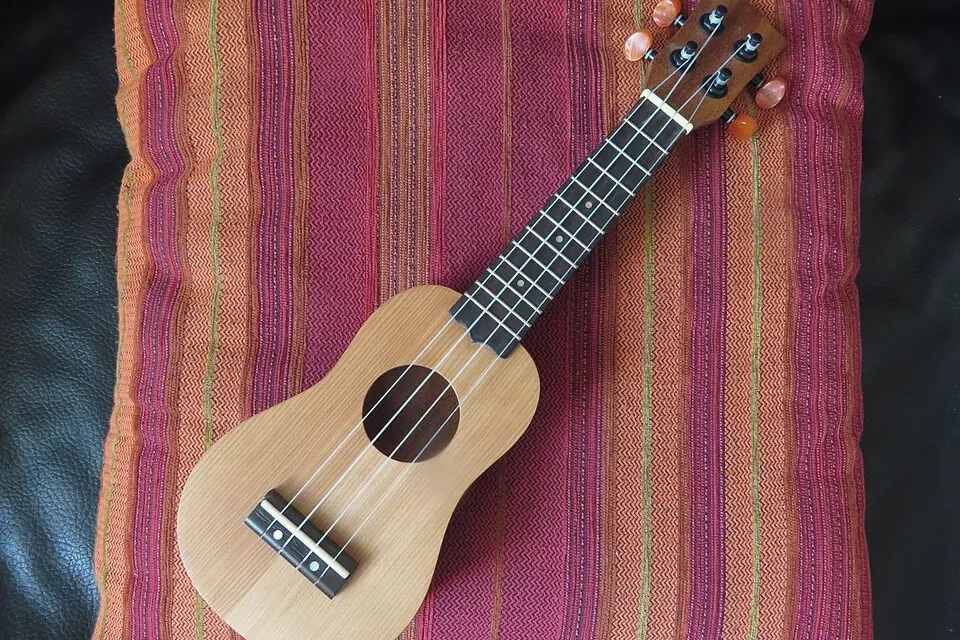
另一則是聲音。德州大學奧斯汀分校的 Music-4-MS,讓多發性硬化症的人線上學 12 週烏克麗麗,對照組只聽音樂;先做了 29 人的可行性研究,現在用重新錄製的影片教材做下一輪。它研究的是「自己彈樂器」,跟躺著聽缽是兩件事;樣本小、時間短,還不能把改善焦慮或認知寫成定論。
我的看法:這兩則放在一起,最值得學的不是結果,因為兩個都還沒有結果,而是怎麼讀「療癒研究」的新聞。UIC 那個是正在設計、要做到 2031 年的大型試驗,252 位乳癌倖存者、兩種對照組,還要找出代謝機制和「誰比較有反應」;它值得注意,是因為設計認真,不是因為已經證明了什麼。我自己做針灸,最在意的就是它把「假針」放進來:如果真針和假針差不多,代表效果多半來自被照顧、躺下來休息;如果真針明顯比較好,針灸就能在癌症照護裡站得更穩。烏克麗麗那個是 29 人的可行性研究,它告訴我們的是「大家做不做得下去」,不是「有沒有效」。它研究的是「自己彈」,這點很重要:動手、動腦、呼吸一起來,跟躺著聽缽是兩回事。下次看到「研究顯示」,先問三件事:幾個人、跟什麼比、結果出來了沒,就能少被很多標題騙。
數字BY THE NUMBERS
Jasmine 說MY TAKE
Jasmine 說
我的看法:
兩個研究都還沒有結果,
值得學的是怎麼讀這類新聞。
把「假針」放進來,
才分得出效果從哪裡來。
先問:幾個人、跟什麼比、
結果出來了沒。
你可以怎麼用HOW TO USE THIS
- 正在做癌症治療或吃荷爾蒙治療藥物的人,想加針灸,先跟腫瘤科醫師討論,再找有執照的針灸師。
- 看到「研究顯示」,先找三件事:研究了幾個人、跟什麼比、結果出來了沒。
來龍去脈TIMELINE
接下來看什麼:Music-4-MS 下一輪的結果,和 UIC 研究的招募進度。
這篇提到的,SOS 練得到PRACTISE IT AT SOS
在 SOS 接著練SOULS OF SUNSHINE
相關脈案RELATED
IN ENGLISH
Healing news: check what stage it's at. UIC plans a 252-person acupuncture study, and an MS ukulele study started with 29
The University of Illinois Chicago registered a five-year study comparing acupuncture, a no-touch sham and usual care for breast cancer survivors' pain, fatigue and sleep; UT Austin's Music-4-MS teaches people with multiple sclerosis the ukulele online, starting with a 29-person feasibility study.
- UIC's study: 252 breast cancer survivors planned, Sept 2026 to Aug 2031, comparing acupuncture, sham and usual care, plus metabolic mechanisms and predictors of response.
- It's a study plan with no results yet; it can't be used to say acupuncture is proven, and it doesn't replace cancer treatment.
- Music-4-MS: 12 weeks of ukulele versus listening to music; the 29-person pilot is complete and a new round uses redesigned video lessons.
Not every piece of "healing news" is saying the same thing. The University of Illinois Chicago registered a study running Sept 2026 to Aug 2031 that plans to enroll 252 breast cancer survivors to look at acupuncture's effect on a cluster of symptoms (pain, fatigue, sleep), the metabolic mechanisms behind it, and who responds. There are two comparison groups: usual care, and a sham needle placed on non-acupoints學 whose tip never touches the skin, twice a week for five weeks.
The other is about sound. UT Austin's Music-4-MS teaches people with multiple sclerosis to play the ukulele online for 12 weeks, against a group that just listens to music. A 29-person feasibility study came first, and a new round now uses re-recorded video lessons. It studies playing an instrument, which is different from lying down to a bowl; the sample is small and short, so claims about anxiety or cognition aren't settled.
My take: the lesson here isn't the results, since neither has any yet, but how to read healing-research news. UIC's is a large trial being set up to run until 2031, with 252 breast cancer survivors, two control groups, and the aim of finding mechanisms and who responds; it matters because the design is serious, not because it has proven anything. As an acupuncturist, what I care about most is the sham needle: if real and sham needling perform similarly, much of the effect comes from care and rest; if real needling clearly wins, acupuncture stands firmer in cancer care. The ukulele study is a 29-person feasibility study: it tells us whether people stick with it, not whether it works. And it studies playing, which matters: hands, brain and breath working together is different from lying down to hear bowls. Next time you see "research shows," ask how many people, compared with what, and whether results are out, and many headlines lose their power.
- If you're in cancer treatment or on hormone therapy and want acupuncture, talk to your oncologist first and see a licensed acupuncturist.
- When you read "studies show," find three things: how many people, compared with what, and whether results are out.
出處SOURCES
- ClinicalTrials.gov NCT07695948(Tundra Space):Effects, Metabolic Mechanisms and Predictors of Response to Acupuncture…
- ClinicalTrials.gov NCT05792176:Ukulele Playing to Improve Cognition in People with Multiple Sclerosis
- IOMSN:Carolyn Phillips, Music-4-MS project description
- ClinicalTrials.gov NCT07759115:Music-4-MS Feasibility Study
想一張一張滑、投票、收藏?打開互動版。