太極和頌缽,研究走到哪裡了?兩份系統性回顧,把證據放在對的位置
Tai chi and singing bowls: where does the research stand? Two systematic reviews put the evidence in its place
文:Jasmine Chang・Souls of Sunshine
一份太極學與氣功學的證據地圖看了 26 篇系統性回顧:停經後骨密度和高血壓降血壓有高確定性的證據,但很多題目還在低或極低確定性。另一份頌缽學回顧整理了 19 項臨床研究,其中 9 項是隨機對照試驗。
30 秒版TL;DR
- 太極與氣功證據地圖(2014–2024):26 篇系統性回顧,停經後骨密度、高血壓降血壓有高確定性的證據。
- 16 篇回顧至少有一個中等確定性的結論;18 篇有記錄不良事件的,都沒有嚴重不良事件。
- 頌缽系統性回顧:19 項臨床研究、9 項隨機對照試驗,在焦慮、憂鬱等方面看到潛在好處,研究設計差異很大。
導讀WHY IT MATTERS
太極和頌缽越來越熱門,說法也越來越多。這兩份回顧幫我們分清楚:哪些有紮實證據,哪些還在累積。
- 系統性回顧和統合分析
- 系統性回顧是用事先寫好的方法,把同一個問題的研究全部找出來、評估品質、整理結果;統合分析再把數字合起來算一個整體效果。它是證據金字塔的上層,但前提是底下的研究夠好,垃圾進就是垃圾出。
- 證據地圖
- 把很多篇系統性回顧整理成一張表或圖:哪些題目有高確定性的證據、哪些只有低確定性、哪些還沒人研究。太極這份地圖看了 26 篇回顧,最強的是停經後女性的骨密度和高血壓的血壓。
- 不良事件
- 研究期間參加者發生的任何不好的事,不一定是練習造成的。記錄得好的研究會寫清楚有沒有、有多少、嚴不嚴重;太極那份地圖裡,有記錄的 18 篇都沒有嚴重不良事件,但很多研究根本沒記錄。
這則在講什麼THE STORY
第一份是太極與氣功的「證據地圖」:研究團隊從六個資料庫,找了 2014 年 1 月到 2024 年 3 月、有正式評估證據確定性的系統性回顧,一共 26 篇,每篇由兩位研究者核對。結果最強的有兩項:停經後女性的骨密度改善、高血壓的人血壓下降,都被評為高確定性。另外 16 篇回顧至少有一個中等確定性的結論;18 篇有記錄不良事件的,沒有一篇報告嚴重不良事件。不過作者也寫,很多題目還停在低或極低確定性,傷害的紀錄方式也不一致。
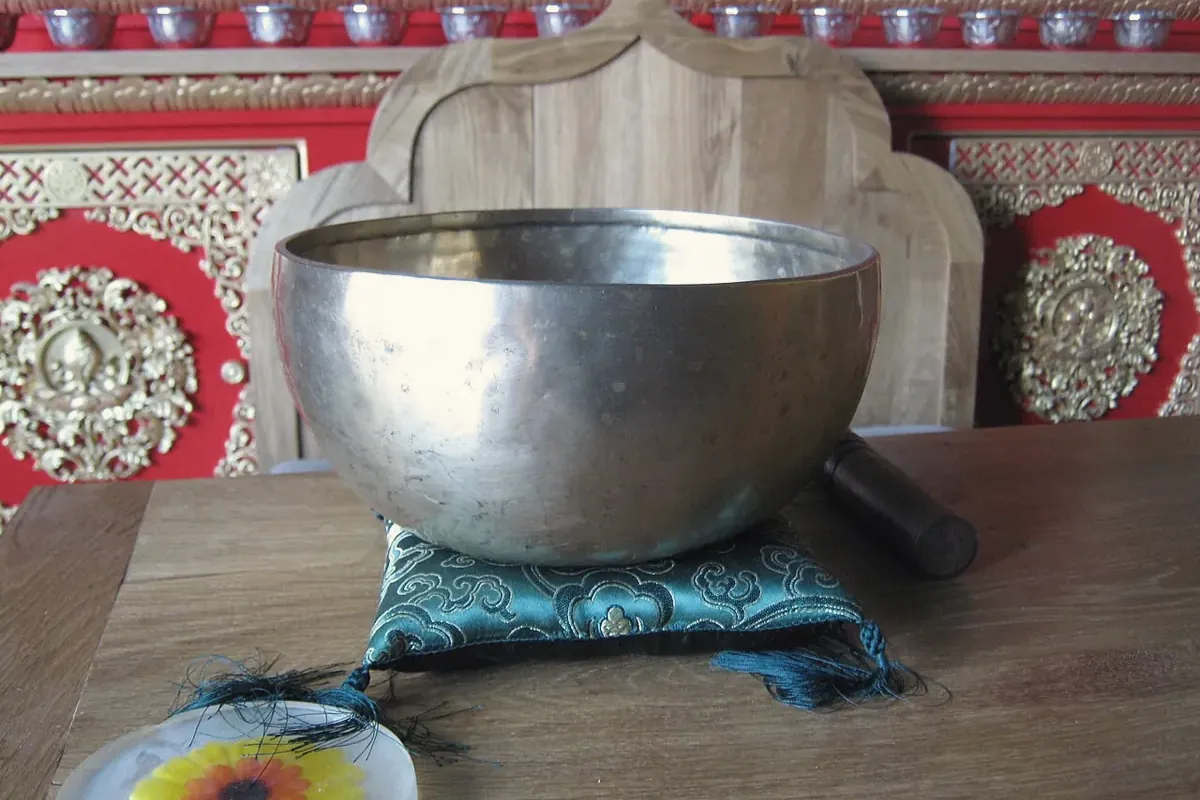
第二份是頌缽的系統性回顧(2025 年 4 月上線):整理了 2008 到 2024 年、八個國家的 19 項臨床研究,一半是隨機對照試驗(9 項),其他是病例系列、交叉試驗和非隨機研究。對象很廣:住院長者、手術病人、帕金森氏症、癌症、睡眠障礙、自閉症兒童;74% 的研究看的是心理健康,像憂鬱、焦慮、心率變異。看得到的好處:住院長者和帕金森氏症病人加了頌缽,憂鬱和焦慮分數下降;焦慮的成人聽 50 分鐘頌缽,比等待組和漸進式肌肉放鬆都降得多。但也有沒效的:乳癌女性的疲勞和睡眠、大學生的睡眠品質沒有改變;一個有「無聲頌缽」安慰劑的試驗,血壓和心率變異也沒有差別。研究之間差異太大,沒辦法合併計算,所有隨機試驗都被評為高偏誤風險。
我的看法:把這兩份證據放在一起,給太極和頌缽的位置其實很清楚:太極已經可以當「治療的一部分」,頌缽目前還是「好的陪伴」。太極在骨密度和血壓有高確定性的證據,這是很多保健品做不到的,代表醫師可以很有信心地把它寫進停經後和高血壓的照顧計畫;它便宜、安全、一群人一起練,最大的問題反而是很少人持續。頌缽這邊,我身為音療師要誠實說:證據還很早、偏誤風險高,有一個用「無聲的缽」當安慰劑的試驗,血壓和心率變異沒差別,表示有些效果可能來自躺下來、安靜、被照顧,而不是聲音本身。但這不是壞消息,「躺下來、安靜、被照顧」本來就是很多人最缺的東西。我覺得頌缽最適合的位置,是幫人放鬆、陪伴治療,而不是取代治療;接下來需要的是有安慰劑、設計嚴謹的大型試驗,這也是我們這一行應該一起推動的事。
數字BY THE NUMBERS
Jasmine 說MY TAKE
Jasmine 說
我的看法:
太極已經可以當治療的一部分,
頌缽目前是好的陪伴。
「無聲的缽」也有效果:
躺下來、安靜、被照顧。
這一行該一起推動
更嚴謹的試驗。
你可以怎麼用HOW TO USE THIS
- 想用太極照顧骨頭或血壓,找有系統教學的老師,規律練比偶爾練重要;有骨質疏鬆或高血壓的人,記得一起跟醫師討論。
- 頌缽可以當放鬆和陪伴的練習;有心理困擾的人,把它當成支持,不要取代治療。
來龍去脈TIMELINE
- 頌缽回顧的文獻搜尋截止。
- 頌缽系統性回顧上線。
- 太極與氣功證據地圖發表,納入 26 篇系統性回顧。
接下來看什麼:有沒有更多針對特定流派、特定族群的高品質試驗。
這篇提到的,SOS 練得到PRACTISE IT AT SOS
在 SOS 接著練SOULS OF SUNSHINE
相關脈案RELATED
東西對照EAST × WEST
IN ENGLISH
Tai chi and singing bowls: where does the research stand? Two systematic reviews put the evidence in its place
An evidence map of 26 tai chi學 and qigong學 systematic reviews found high-certainty evidence for postmenopausal bone density and lower blood pressure in hypertension, with much still low or very low certainty. A singing bowl學 review covered 19 clinical studies, 9 of them RCTs.
- Tai chi and qigong evidence map (2014–2024): 26 systematic reviews; high-certainty evidence for postmenopausal bone density and blood pressure in hypertension.
- 16 reviews had at least one moderate-certainty conclusion; of 18 that reported adverse events, none reported serious ones.
- Singing bowl review: 19 clinical studies, 9 RCTs, with potential benefits for anxiety and depression; study designs vary widely.
An evidence map of 26 systematic reviews from 2014–2024 found high-certainty evidence that tai chi and qigong improve bone density after menopause and lower blood pressure in hypertension; 16 reviews had at least one moderate-certainty finding, and none of the 18 that recorded harms reported serious adverse events, though much remains low certainty.
A review of 19 singing bowl studies from eight countries, half randomised, found lower depression and anxiety in hospitalised elders and Parkinson's patients and in anxious adults versus waiting lists and muscle relaxation; but no change in fatigue or sleep in breast cancer survivors, no effect on students' sleep, and no difference against a silent-bowl placebo on blood pressure. All trials carried high risk of bias.
My take: together these two reviews place tai chi and singing bowls clearly: tai chi can already be part of treatment, while bowls are, for now, good companionship. Tai chi has high-certainty evidence for bone density and blood pressure, more than many supplements can claim, so doctors can confidently add it to care for menopause and hypertension; it's cheap, safe and social, and the main problem is that few people keep it up. On bowls, as a sound healer I'll be honest: the evidence is early and at high risk of bias, and one trial using a silent bowl as placebo found no difference in blood pressure or heart rate variability, suggesting some benefit comes from lying down, quiet and being cared for rather than sound itself. That isn't bad news; lying down, quiet and being cared for is exactly what many people lack. I think bowls fit best as relaxation and support alongside treatment, not instead of it; what we need next are rigorous, placebo-controlled larger trials, and that's something our field should push for together.
- For bones or blood pressure, find a teacher with structured instruction and practice regularly. If you have osteoporosis or hypertension, keep your doctor in the loop.
- Singing bowls can be a practice for rest and support. If you're struggling emotionally, use them alongside care, not instead of it.
出處SOURCES
- An Evidence Map of Tai Chi and Qigong, 2014–2024: A Systematic Review(SAGE, 2026)
- Integrative Medicine Research:Therapeutic effects of singing bowls: A systematic review of clinical studies
- Western Sydney University:Therapeutic effects of singing bowls(全文 PDF)
想一張一張滑、投票、收藏?打開互動版。