重訓 vs 太極
Strength training vs tai chi
同一個需求:老了還站得穩、走得動
深入對照SIDE BY SIDE
| 西|重訓 | 東|太極 | |
|---|---|---|
| 怎麼運作 | 讓肌肉對抗阻力:啞鈴、彈力帶、自己的體重都算,重量一點一點往上加。美國 NSCA 2019 年的立場聲明說,對長者來說,阻力訓練是對抗肌力和肌肉流失很有力的方法。 | 慢慢的、連續的重心轉移:一腳承重、一腳放鬆,配合呼吸轉腰。練的是平衡和下肢的穩定。 |
| 研究怎麼說 | 2011 年一份整合 49 個研究、1,328 位 50 歲以上的分析:做阻力訓練,瘦體重平均多 1.1 公斤,練的量越多、長得越多。不過講到防跌倒,2019 年那份 108 個試驗的回顧說:只做重訓的課程效果還不確定;平衡加肌力的綜合運動,跌倒次數可能少 34%。 | 同一份回顧(108 個試驗、23,407 人):太極學可能讓跌倒次數少 19%,證據確定性低;跌倒的人數少 20%。2018 年美國奧勒岡一個 670 位高跌倒風險長者的試驗,太極組的跌倒比綜合運動組少 31%。 |
| 要多少時間、多少錢 | WHO 建議 65 歲以上每週至少兩天練肌力,全身大肌群都要練到。在台灣,社區的銀髮健身俱樂部有教練帶,一小時 150 元。 | 2018 年那個試驗的課表:一週兩次、一次 60 分鐘、連續 24 週。WHO 另外建議長者每週至少三天做平衡加肌力的綜合活動。 |
| 要小心 | 高血壓沒控制好、有心臟病、剛開刀或關節正在痛的人,先問醫師。WHO 建議從少量開始,慢慢加。試驗裡回報的不良反應,大多是輕微的肌肉、關節不適。 | 膝蓋不舒服的人,站高一點、步子小一點,不要硬撐。有慢性病的人一樣先問醫師或物理治療師。 |
| 在家試試 | 從一張椅子開始:雙手抱胸,坐下、站起來,做 10 次,休息一下再一輪。一週兩天,做到有點累、還能講話。 | 早上站樁學五分鐘:雙腳與肩同寬,膝蓋微彎,肩膀放鬆,慢慢呼吸。熟了再加開合手。 |
Jasmine 說MY TAKE
不用選邊。重訓給你力氣,太極給你平衡;研究裡最明確的,正是平衡加肌力一起練。
翻我的圖鑑FIELD GUIDES
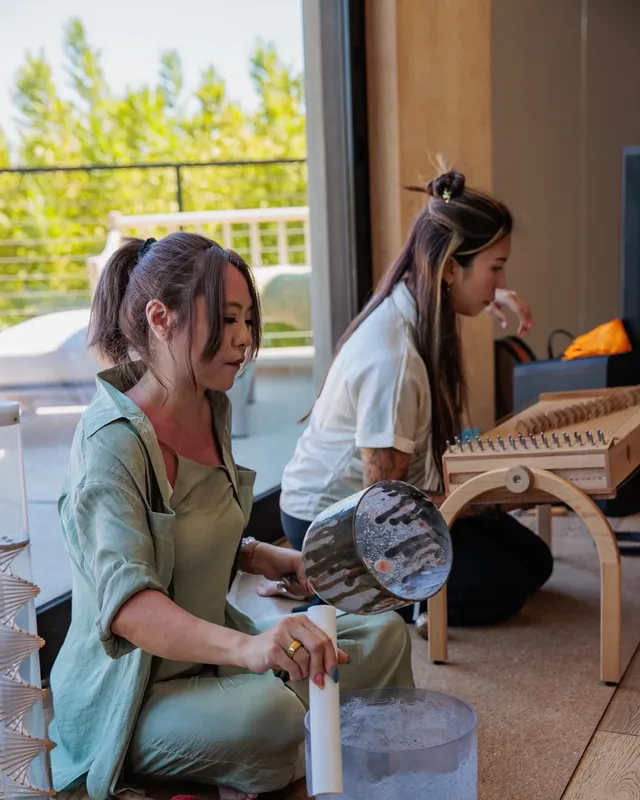 JSLALALAND 圖鑑東方療癒藝術沉浸營|回顧
相關脈案RELATED
IN ENGLISH
Strength training vs tai chi
Same need: staying strong and steady as you age
| How it works | Muscles work against resistance, whether dumbbells, bands or your own body weight, and the load goes up little by little. The NSCA's 2019 position statement calls resistance training a powerful way for older adults to fight the loss of strength and muscle. | Slow, continuous weight shifts: one leg holds, the other releases, with the breath and a turning waist. It trains balance and steady legs. |
|---|---|---|
| What studies say | A 2011 meta-analysis of 49 studies and 1,328 people over 50 found resistance training added about 1.1 kg of lean mass, more with higher volume. For falls, though, a 2019 review of 108 trials was uncertain about programs that are mainly resistance training, while combined balance and strength programs probably cut the rate of falls by 34%. | The same review (108 trials, 23,407 people): tai chi may reduce the rate of falls by 19%, with low-certainty evidence, and the number of people who fall by 20%. In a 2018 Oregon trial of 670 older adults at high risk, the tai chi group had 31% fewer falls than a multimodal exercise group. |
| What it takes | WHO recommends muscle-strengthening on at least two days a week for people 65+, covering all major muscle groups. In Taiwan, a coached class at a community senior fitness club costs NT$150 an hour. | The 2018 trial's schedule: twice a week, 60 minutes, for 24 weeks. WHO also recommends combined balance and strength activity on at least three days a week for older adults. |
| Be careful | With uncontrolled high blood pressure, heart disease, recent surgery or a joint that hurts now, ask your doctor first. WHO advises starting small and building up. Side effects reported in trials were mostly minor muscle or joint aches. | If your knees complain, stand taller and take smaller steps. Don't push through pain. With a chronic condition, check with a doctor or physical therapist first. |
| Try at home | Start with a chair: arms crossed, sit down and stand up 10 times, rest, then do another round. Twice a week, until you're a little tired but can still talk. | Five minutes of standing post in the morning: feet shoulder-width apart, knees soft, shoulders loose, slow breaths. Add open-close hands once it feels easy. |
Don't pick a side. Strength training builds power, tai chi builds balance, and the clearest research results come from doing both.
出處SOURCES
- Cochrane 2019|Sherrington et al., Exercise for preventing falls in older people living in the community
- WHO 2020|Guidelines on Physical Activity and Sedentary Behaviour
- J Strength Cond Res 2019|Fragala et al., NSCA position statement on resistance training for older adults
- Med Sci Sports Exerc 2011|Peterson et al., resistance exercise and lean body mass in aging adults
- JAMA Intern Med 2018|Li et al., Tai Ji Quan vs multimodal exercise for falls (PEDro record)
- 蕃薯藤 yam 新聞|玉里銀髮健身俱樂部收費
想拖拉滑桿、一列一列對照?打開互動版。