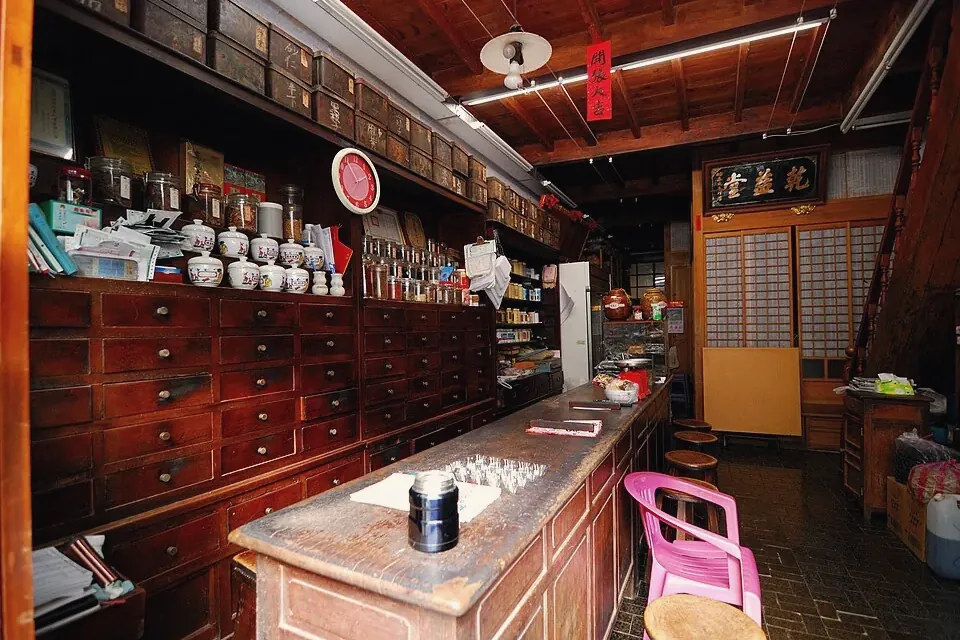
健保中藥一天 38 元,開辦至今只漲 8 塊:藥材農藥新標準上路、藥廠漲價,中醫師提案明年調到 39 元
Taiwan's NHI pays NT$38 a day for herbal medicine, just NT$8 more than in 1995: as stricter pesticide limits take effect and makers raise prices, TCM doctors propose NT$39 for 2027
文:Jasmine Chang・Souls of Sunshine
11/19 健保署開中醫養門診總額會議,中醫師公會全聯會正式提案:明年每日藥費從 38 元調到 39 元、第一階段診察費多 10 點,春節看診也比照加成。同一個月,衛福部的中藥學材農藥殘留限量基準生效;中時報導,全聯會理事長蘇守毅說,許多中藥這個月起平均漲三成以上。
30 秒版TL;DR
- 11/19 健保署中醫總額會議:全聯會提案明年每日藥費 38 元調到 39 元、第一階段診察費多 10 點,除夕到初三診察費加成 100%;正式上路以健保署公告為準。
- 衛福部 2024 年公告、兩年後生效的中藥材農藥殘留限量基準,這個月上路:第一批 20 種藥材、26 種農藥有統一上限。中時報導,蘇守毅說許多中藥平均漲三成以上,一瓶 500 元變 800 到 1,000 多元。
- 健保會 9 月協商:明年中醫門診總額 384.64 億元,新增「提升中醫藥費」2.925 億元,也要健保署和中醫界檢討民眾自費的原因、減少自費用藥,2027 年 8 月前交專案報告。
導讀WHY IT MATTERS
中醫在台灣是健保給付的日常醫療。健保怎麼付、藥材怎麼驗、價格怎麼漲,最後都會變成你在診間拿到的那包藥,和收據上的自費金額。
- 健保中醫每日藥費
- 台灣健保付中醫診所藥錢的方式:不管開幾味藥,每開一天付固定金額,現在 38 元,明年預計 39 元。一天的科學中藥成本如果超過這個數字,差額就是診所吸收,這也是為什麼很多診所會推自費的水煎藥或療程。
- 科學中藥和水煎藥
- 科學中藥是藥廠把藥材煎煮、濃縮、加賦形劑做成粉或顆粒,方便、品質一致,健保給付多半是這種。水煎藥是用飲片在診所或家裡煎,劑量可以細調,但比較麻煩,通常要自費。兩者效果的比較研究不多。
- cGMP
- 現行優良製造規範,比 GMP 更嚴的藥廠標準,要求原料檢驗、製程確效、批次紀錄、品質管理系統。台灣的中藥廠這幾年被要求升級,加上 20 種藥材的農藥殘留新標準 11 月生效,成本都反映在藥價上。
這則在講什麼THE STORY
在台灣看中醫,健保付給診所的藥錢不是一味一味算,而是按天數算:每開一天的藥,現在付 38 元。前理事長林永農 9 月在健保會的總額協商上說,民國 84 年健保開辦時是 30 元;另一位前理事長柯富揚拿五大科學中藥廠的資料統計,單方中藥這幾年漲了 19.8%。最後健保會給明年中醫門診總額 384.64 億元,其中新增「提升中醫藥費」2.925 億元(中醫部門原本希望 3.815 億元)。中時 11/11 報導,全聯會理事長蘇守毅說,健保署原本建議一天調 3 元、到 41 元,但中醫總額不大,最多只能漲 1.5 元,偏鄉醫療、腎病照護計畫也要用錢,最後決定調 1 元。
11/19 健保署的中醫門診總額研商議事會議上,全聯會正式提案:每日藥費 38 元改 39 元、第一階段診察費多 10 點,春節期間比照健保署的規劃,除夕到初三診察費加成 100%,初四、初五加成 50%。這些都要等健保署公告才算數。
藥為什麼漲?衛福部 2024 年 11 月 6 日公告《中藥材農藥殘留限量基準》,寫明公告兩年後生效,也就是這個月:赤芍、丹參、天麻、連翹、辛夷等第一批 20 種中藥材,對 26 種農藥訂了上限,根莖、全草、果實、種子、花各有不同數字,不合格的依藥事法處罰鍰。蘇守毅在中時的報導裡說,衛福部要求提升中藥品質,許多業者為了達到 cGMP 標準,加上農藥殘留等標準變嚴,成本提高,這個月起中藥平均漲三成以上,過去一瓶 500 元的藥,現在要 800、1,000 多元。
初鳴堂中醫師周宗翰說,診所只靠健保收入,大概只夠付房租、人事和基本開銷,要獲利還是得靠美顏針、水煎藥、埋線、小針刀這些自費項目。健保會的協定也點到這件事:請健保署和中醫界檢討民眾自費的原因、減少自費用藥。
同一場會議上還有一個少有人注意的方案:健保的「照護機構中醫醫療照護方案」讓中醫師到護理之家、長照機構看診,今年 1 到 8 月實際服務了 301 家機構、8,015 個診次,明年目標寫成至少 250 家、12 萬人次,健保署在議程裡表示同意。
我的看法:一天的藥費從 38 元調到 39 元,看起來是小數字,背後其實是台灣中醫最大的結構問題:品質標準在往上走,健保給的錢沒有跟上,中間的差額,最後由病人的自費和診所的自費項目來補。農藥殘留標準變嚴、cGMP 要求提高,對病人是好事,我們吃進去的藥更安全;但成本漲三成以上,健保一天只多 1 元,診所只好靠美顏針、水煎藥、埋線這些自費項目撐。健保會也點到了:要檢討民眾自費的原因。這會讓中醫慢慢分成兩種:健保的基本盤,和自費的精品,對經濟條件不同的人,看到的中醫會越來越不一樣。最容易被忽略的是到護理之家看診的方案,今年才 301 家機構,明年目標 12 萬人次,這其實是中醫在長照裡最實在的位置。對病人,我的建議是:看中醫時可以直接問,哪些是健保、哪些要自費、為什麼要自費,問清楚不失禮;水煎藥和科學中藥各有適合的情況,讓醫師依病情說明。
數字BY THE NUMBERS
Jasmine 說MY TAKE
Jasmine 說
我的看法:
品質標準往上走,
健保給的錢沒跟上。
差額由自費項目來補,
中醫慢慢分成兩種。
看中醫可以直接問:
哪些健保、哪些自費、為什麼。
你可以怎麼用HOW TO USE THIS
- 看診時可以直接問:今天開的是健保的科學中藥,還是自費的水煎藥、飲片或療程?自費的話,先問價錢、幾天份、藥材從哪裡來、有沒有檢驗報告,再決定;收據留著。
- 家裡長輩住護理之家或長照機構,可以問機構有沒有參加健保的「照護機構中醫醫療照護方案」,中醫師會到機構裡看診。正在吃西藥(特別是抗凝血、降血糖、降血壓的藥)或肝腎不好的人,看中醫時把藥袋帶去,讓兩邊的醫師都知道。
來龍去脈TIMELINE
- 全民健保開辦,中醫每日藥費 30 元(前理事長林永農在健保會的說法)。
- 衛福部公告《中藥材農藥殘留限量基準》,兩年後生效。
- 健保會總額協商:明年中醫門診 384.64 億元,新增「提升中醫藥費」2.925 億元。
- 農藥殘留限量基準生效;中時報導許多中藥平均漲三成以上。
- 健保署中醫門診總額研商會議:全聯會提案每日藥費 39 元、春節診察費加成。
接下來看什麼:健保署公告明年的中醫支付標準:每日藥費是否正式變成 39 元、春節加成有沒有通過。;2027 年 8 月前,健保署和中醫界要交出民眾為什麼自費的檢討報告。
翻我的圖鑑FIELD GUIDES
 JSLALALAND 圖鑑LA 中醫針灸地圖|在台灣是健保,在LA為什麼變成 wellness?
這篇提到的,SOS 練得到PRACTISE IT AT SOS
在 SOS 接著練SOULS OF SUNSHINE
相關脈案RELATED
IN ENGLISH
Taiwan's NHI pays NT$38 a day for herbal medicine, just NT$8 more than in 1995: as stricter pesticide limits take effect and makers raise prices, TCM doctors propose NT$39 for 2027
At the NHI Administration's TCM養 budget meeting on Nov 19, Taiwan's national association of TCM physicians formally proposed raising the daily herbal-medicine fee from NT$38 to NT$39 next year, adding 10 points to the first-tier consultation fee and paying a bonus for Lunar New Year visits. The same month, the health ministry's pesticide-residue limits for Chinese herbs學 took effect; the China Times quotes the association's chair saying many herbal medicines have gone up 30% or more since November.
- Nov 19 NHI TCM budget meeting: the physicians' association proposed raising the daily herbal fee from NT$38 to NT$39 in 2027, 10 more points on the first-tier consultation fee, and a 100% consultation bonus from Lunar New Year's Eve to the third day. Nothing changes until the NHI Administration announces it.
- Pesticide-residue limits for Chinese herbs, announced in 2024 with two years' notice, took effect this month: the first 20 herbs now have set limits for 26 pesticides. The China Times quotes the association's chair saying many herbal medicines are up 30%+, a NT$500 bottle now NT$800 to over NT$1,000.
- September's NHI budget talks: TCM outpatient care gets NT$38.464 billion in 2027, including a new NT$292.5 million to raise drug fees. The NHI Administration and TCM groups must also look at why patients pay out of pocket and cut self-paid medicine, reporting by August 2027.
In Taiwan, National Health Insurance doesn't pay TCM clinics herb by herb. It pays per day of medicine: NT$38 for each day prescribed. At September's NHI budget talks, a former chair of the TCM physicians' association said the figure was NT$30 when the system began in 1995, and another former chair said his figures from five big granule makers show single-herb products up 19.8% in recent years. The NHI Committee gave TCM outpatient care NT$38.464 billion for 2027, including a new NT$292.5 million to raise drug fees (the TCM side had asked for NT$381.5 million). The China Times reported on Nov 11 that the association's current chair said the NHI Administration first suggested NT$3 more a day, to NT$41, but the small TCM budget only had room for about NT$1.5, and rural care and kidney programs needed money too, so they settled on NT$1. At the NHI Administration's TCM budget meeting on Nov 19, the association formally proposed NT$39 a day, 10 more points on the first-tier consultation fee, and a Lunar New Year bonus following the NHI plan: 100% on consultation fees from New Year's Eve to the third day, 50% on the fourth and fifth. None of it counts until the NHI Administration announces it.
Why are herbs costing more? On Nov 6, 2024, the health ministry announced pesticide-residue limits for Chinese herbs, to take effect two years later, which is this month. The first 20 herbs, including red peony root, danshen, gastrodia, forsythia and magnolia flower buds, now have limits for 26 pesticides, set separately for roots, whole plants, fruits, seeds and flowers, with fines under the Pharmaceutical Affairs Act for products that fail. In the China Times report, the association's chair said that as the ministry pushes for better quality, many makers took on higher costs to meet cGMP standards and the stricter pesticide rules, so from November many herbal medicines are up 30% or more on average; a bottle that cost NT$500 is now NT$800 to over NT$1,000. A practicing TCM doctor told the paper that NHI income alone covers rent, staff and basic costs, and that clinics make their money on self-pay services such as cosmetic needling, decoctions, thread embedding and acupotomy. The NHI Committee's agreement names the issue too: it asks the NHI Administration and TCM groups to look at why patients pay out of pocket and to reduce self-paid medicine. A quieter program sat on the same agenda: under NHI's TCM care plan for long-term care facilities, doctors see patients inside nursing homes. From January to August this year it reached 301 facilities and 8,015 clinic sessions; the 2027 target is at least 250 facilities and 120,000 visits, which the NHI Administration said it agrees with.
My take: raising the daily herb fee from NT$38 to 39 looks trivial, but behind it lies Taiwanese TCM's biggest structural problem: quality standards rise, insurance payments don't keep up, and the gap is filled by patients' out-of-pocket spending and clinics' self-pay services. Stricter pesticide limits and higher cGMP standards are good for patients, since the medicine is safer; but with costs up over 30% and insurance adding NT$1 a day, clinics lean on cosmetic acupuncture, decoctions and thread embedding. The insurance committee itself asked for a review of why patients pay out of pocket. TCM may split into an insured basic tier and a self-pay premium tier, so people with different means will see increasingly different TCM. The most overlooked item is the programme sending TCM doctors into care homes, 301 facilities this year with a target of 120,000 visits next year, TCM's most practical role in long-term care. For patients: ask directly which services are covered, which are self-pay and why; it isn't rude. Decoctions and granules each suit different cases, so let your doctor explain based on your condition.
- Ask at the visit: is today's prescription NHI-covered granules, or a self-paid decoction, raw herbs or treatment? If it's self-pay, ask the price, how many days it covers, where the herbs come from and whether they were tested before you decide, and keep the receipt.
- If a parent lives in a nursing home or long-term care facility, ask whether it takes part in NHI's TCM care plan for care facilities, under which TCM doctors see residents on site. If you take Western medicine (especially blood thinners, diabetes or blood-pressure drugs) or have liver or kidney problems, bring your medicine bag to the TCM visit so both doctors know.
出處SOURCES
- 健保署:全民健康保險醫療給付費用中醫門診總額 115 年第 4 次研商議事會議議程(2026/11/19)
- 中時新聞網(Yahoo 新聞):明年健保中藥日費增1元 中醫嘆杯水車薪(2026/11/11)
- 衛福部全民健康保險會:116 年度全民健康保險醫療給付費用總額協商會議議事錄(2026/9/23 會議)
- 衛福部中醫藥司:訂定「中藥材農藥殘留限量基準」(2024/11/6)
- 衛福部中醫藥司:中藥材農藥殘留限量基準及令(附件 PDF)
- 衛福部全民健康保險會:第 7 屆 115 年第 8 次委員會議資料(116 年度總額協商結論,2026/9/30)
- 衛福部:116年度健保總額協商達共識 首度正式突破1兆元(2026/9/24)
想一張一張滑、投票、收藏?打開互動版。