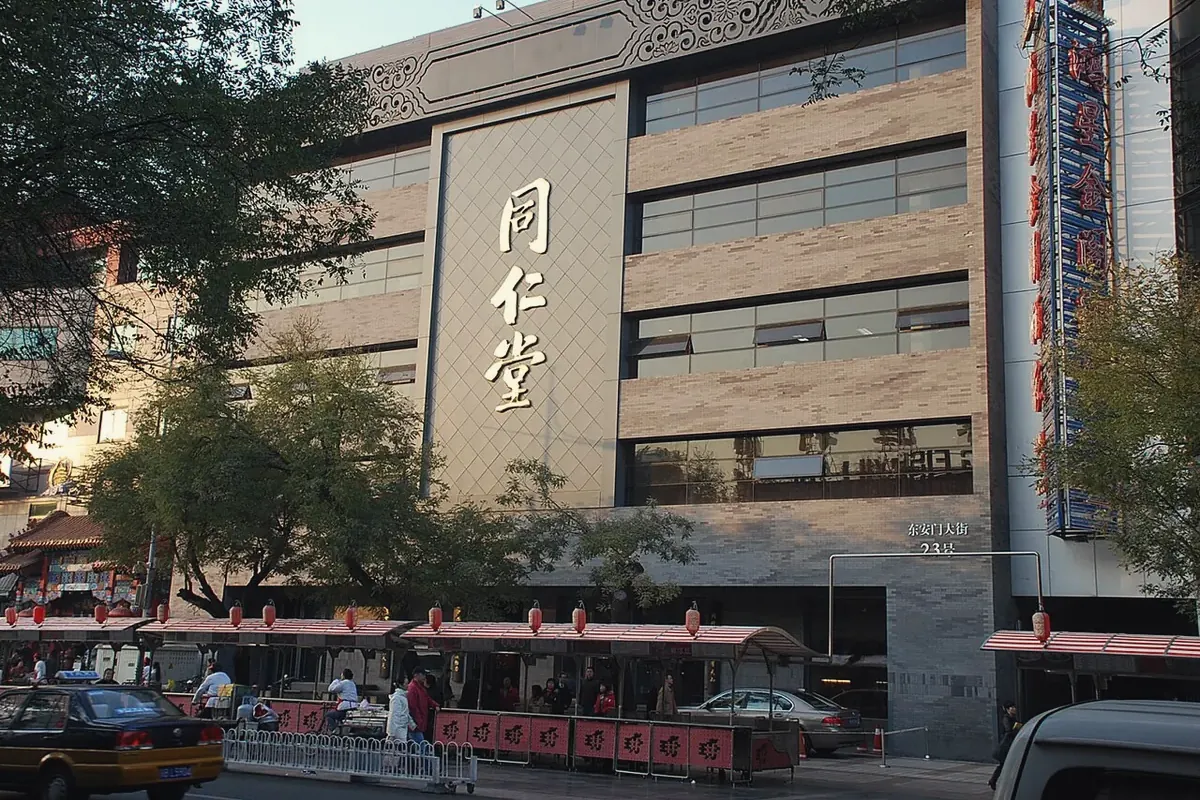
連北京同仁堂也上榜:中國藥監抽檢 27 批藥不合格,一半以上是藥材和傳統成藥
Even Beijing Tongrentang made the list: China's drug regulator fails 27 batches, more than half of them herbs and traditional medicines
文:Jasmine Chang・Souls of Sunshine
國家藥監局 11 月 17 日公布抽檢結果:17 家藥廠、27 批藥品不符合規定。黨參、白鮮皮這些藥材,最常卡在「性狀」和「水分」。
30 秒版TL;DR
- 7 家檢驗機構抽出 27 批不合格藥品,來自 17 家藥廠;北京同仁堂製藥廠的「一捻金」有 1 批水分不合格。
- 27 批裡有 15 批是藥材和傳統成藥:白鮮皮 5 批、黨參 4 批、二十五味珍珠丸 5 批、一捻金 1 批。
- 藥監局已要求暫停銷售、召回,並要省級藥監立案調查、公開查處結果。
導讀WHY IT MATTERS
中藥學的信任從藥材品質開始。官方抽檢點名老字號,提醒大家看標示和批號,不只看招牌。
- 藥品抽檢
- 藥監機關從市場上的藥廠、藥局隨機買樣品,送到藥品檢驗所照藥典檢驗,不合格的公開名單,要求停售、召回、查原因。它抓的是「這一批」有問題,不代表同一個品名的每一批都不好,也不一定代表藥廠故意。
- 中藥飲片
- 藥材經過清洗、切片、炮製(例如炒、炙、蒸)之後,可以直接拿來配方煎煮的形態,就是中藥房抽屜裡那些。性狀、水分、浸出物、灰分是檢驗的基本項目:水分太高容易發霉,灰分太高可能混了泥沙。
- 浸出物
- 用水或酒精泡藥材後,能溶出來的物質佔多少,用來大致判斷藥材「有沒有料」。浸出物太低,可能是藥材品質差、放太久,或被摻了別的東西。
這則在講什麼THE STORY
老字號也會被抽到。中國國家藥監局 11 月 17 日公布最新一輪藥品抽檢:天津、江蘇、湖北等 7 家藥品檢驗機構,查出 17 家藥廠的 27 批藥品不符合規定。最受注意的是北京同仁堂股份有限公司同仁堂製藥廠的「一捻金」,1 批次水分不合格。
這份名單有一半以上跟傳統藥有關。27 批裡,西藥是滴眼液、注射液和錠劑共 12 批;另外 15 批是藥材和傳統成藥:5 家廠的白鮮皮 5 批,性狀、水分、浸出物、總灰分等多項不合格;4 家廠的黨參 4 批,卡在性狀和水分;西藏三家藥廠的二十五味珍珠丸 5 批,是重量差異。
藥監局要求這些廠商暫停銷售使用、召回、查原因整改,也要各省藥監對涉嫌違法的部分立案調查,並公開查處結果。
我的看法:這份名單真正要看的,不是哪個招牌被點名,而是問題出在哪一段:大多出在上游。藥材卡在「性狀」和「水分」:性狀不對,可能是品種、等級或部位有問題;水分超標,是乾燥和倉儲沒做好,這些都發生在藥材進廠之前。白鮮皮是 5 家廠、黨參是 4 家廠一起中,比較像整條供應鏈的問題,而不是哪一家配方出錯。同仁堂被點名,也說明監管在用「公開點名」當工具:招牌越大,被點名的代價越高,廠商就越有動機去管上游的產地和倉庫。中藥要被世界信任,靠的不會是再多一個老方子,而是溯源、乾燥、倉儲和檢驗這些看不見的功夫,這跟 WHO 正在編的草藥藥典是同一件事。對買的人,我會說:招牌老不等於每一批都沒問題,看清楚品名、產地、廠商和批號,是第一道防線;在台灣買中藥,選有合格標示的藥局和醫院,自己煎的藥材放乾燥陰涼處,受潮了就不要再用。
數字BY THE NUMBERS
Jasmine 說MY TAKE
Jasmine 說
我的看法:
問題大多出在上游:
品種、乾燥、倉儲。
招牌越大,被點名的代價越高,
廠商就越會去管上游。
看清楚品名、產地、批號,
是第一道防線。
你可以怎麼用HOW TO USE THIS
- 這次名單上的產品是中國市場的特定批次,不代表同一個品名的每一批都有問題;有疑慮,看包裝上的廠商和批號,問購買的藥局。
- 正在吃中藥的人,不要因為一則新聞就自己停藥或換藥,先問開藥的中醫養師。藥材買回家裝密封罐,避開廚房和浴室的水氣。
來龍去脈TIMELINE
接下來看什麼:各省藥監公開的查處結果。;同仁堂會不會對這一批說明原因。
翻我的圖鑑FIELD GUIDES
 SOS 日光療癒學院漢方植物圖鑑
這篇提到的,SOS 練得到PRACTISE IT AT SOS
在 SOS 接著練SOULS OF SUNSHINE
相關脈案RELATED
東西對照EAST × WEST
IN ENGLISH
Even Beijing Tongrentang made the list: China's drug regulator fails 27 batches, more than half of them herbs and traditional medicines
China's NMPA published spot-check results on Nov 17: 27 batches from 17 makers failed. Herbs such as dangshen and dittany root bark failed most often on appearance and moisture.
- Seven testing institutes found 27 failing batches from 17 makers; one batch of Yinianjin from Beijing Tongrentang's pharmaceutical factory failed on moisture.
- Fifteen of the 27 were herbs and traditional medicines: 5 of dittany root bark, 4 of dangshen, 5 of Twenty-Five Ingredient Pearl Pills and 1 of Yinianjin.
- The regulator ordered sales halted and recalls, and told provincial regulators to open cases and publish the results.
Old names get checked too. On Nov 17, China's National Medical Products Administration (NMPA) published its latest round of drug spot checks: seven testing institutes, including those in Tianjin, Jiangsu and Hubei, found 27 batches from 17 makers that failed to meet standards. The name that drew attention was Beijing Tongrentang: one batch of Yinianjin from its pharmaceutical factory failed on moisture.
More than half the list is traditional medicine. Of the 27 batches, 12 were Western drugs: eye drops, an injection and tablets. The other 15 were herbs and traditional medicines: 5 batches of dittany root bark (bai xian pi) from five makers failed on appearance, moisture, extractables, total ash and more; 4 batches of dangshen from four makers failed on appearance and moisture; and 5 batches of the Tibetan Twenty-Five Ingredient Pearl Pills from three makers failed on weight variation. The NMPA ordered the companies to halt sales and use, recall, find the cause and fix it, and told provincial regulators to open cases on suspected violations and publish the outcome.
My take: what matters in this list isn't which famous name was flagged but where the problems sit: mostly upstream. Herbs failed on appearance and moisture: wrong appearance can mean the wrong species, grade or plant part; too much moisture means poor drying and storage, all before the herbs reach the factory. Five makers failing on dictamnus bark and four on codonopsis looks like a supply-chain problem, not one company's formula. Naming Tong Ren Tang shows regulators using public naming as a tool: the bigger the name, the higher the cost, and the stronger the push to control farms and warehouses. Chinese medicine養 will earn the world's trust not through one more old formula but through traceability, drying, storage and testing, the same work behind WHO's herbal pharmacopoeia. For buyers: an old brand doesn't guarantee every batch, so checking product name, origin, maker and batch number is the first line of defence; in Taiwan, buy from properly labelled pharmacies and hospitals, store herbs somewhere cool and dry, and discard any that get damp.
- The list covers specific batches sold in mainland China, not every product with the same name. If you're unsure, check the maker and batch number on the pack and ask the pharmacy you bought it from.
- If you're taking Chinese herbs學, don't stop or switch on the strength of a headline; ask the doctor who prescribed them. At home, keep herbs in a sealed jar away from kitchen and bathroom steam.
出處SOURCES
- 澎湃新聞:17家药企27批次药品不符合规定!(央視新聞)
- 光明網(北京青年報):国家药监局:北京同仁堂等17家药企27批次药品不符合规定
- 每日經濟新聞:国家药监局:北京同仁堂等17家药企27批次药品不符合规定
想一張一張滑、投票、收藏?打開互動版。