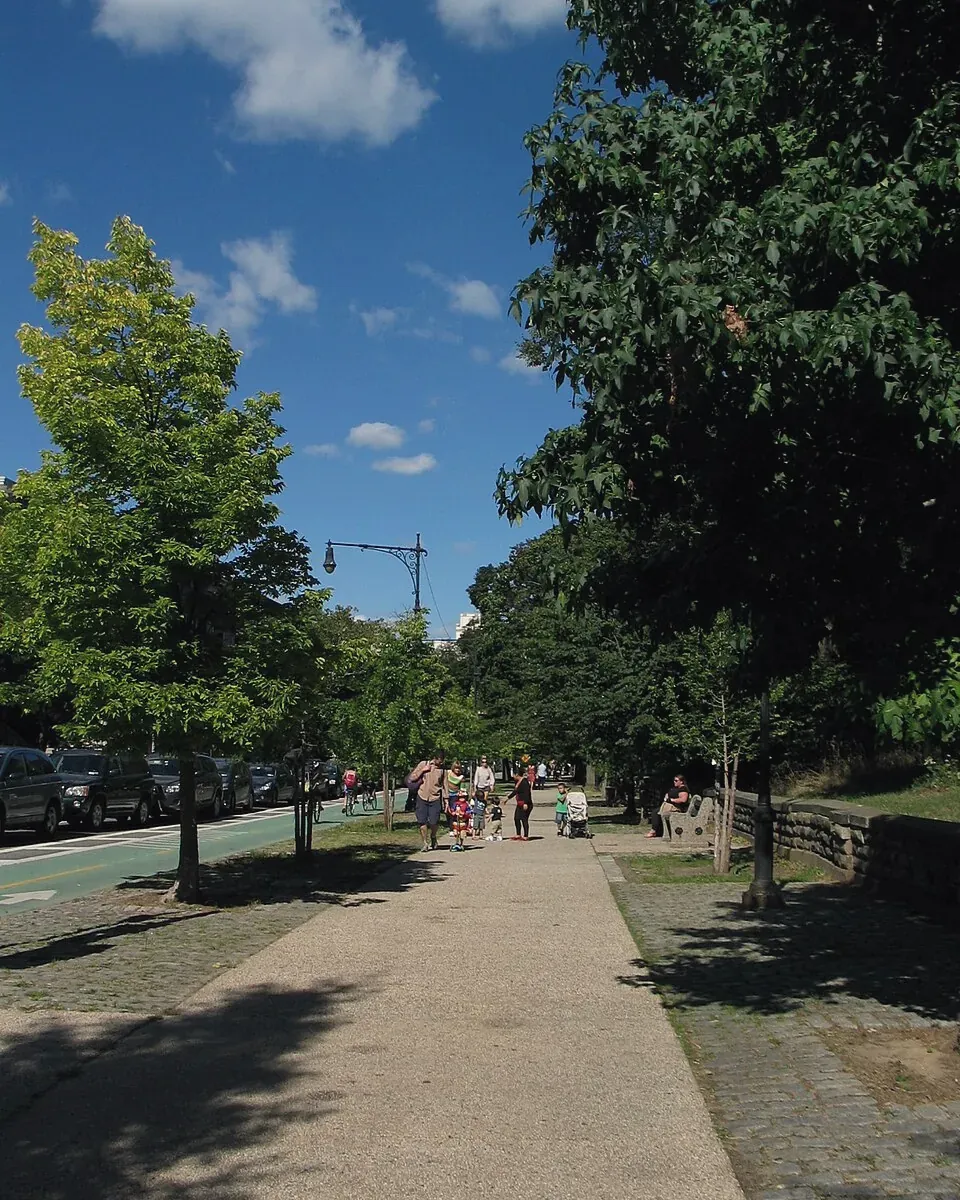
同樣走 45 分鐘,拆成 9 段比一次走完更穩血糖:科羅拉多大學的 6 週研究
Same 45 minutes of walking, steadier blood sugar when split into nine short walks: a six-week CU Anschutz study
文:Jasmine Chang・Souls of Sunshine
30 位久坐的成年人,每天快走 45 分鐘、一週 5 天。一組一次走完,一組拆成每段 5 分鐘。6 週後,拆開走的那組,血糖比較穩。
30 秒版TL;DR
- 科羅拉多大學 Anschutz 的隨機試驗:30 位過重或肥胖、平常久坐的成年人,每天快走 45 分鐘、一週 5 天、連續 6 週。
- 一組每天一次走完;另一組拆成 9 段、每段 5 分鐘。兩組增加的活動量和熱量消耗差不多。
- 拆開走的那組,血糖待在健康範圍的時間比較多、起伏比較小,也比較少一坐就超過 60 分鐘;但兩組的胰島素敏感度都沒有變好。
導讀WHY IT MATTERS
大家都知道要動,但很多人卡在「沒時間一次動很久」。這個研究說:拆成小段也行,而且對血糖可能更好。
- 餐後血糖
- 吃完飯後血糖上升,通常 30 到 60 分鐘到最高、兩三小時回來。肌肉收縮時可以不靠胰島素就把血糖拉進細胞,所以飯後走路特別有效。血糖一直大起大落,跟血管發炎和第二型糖尿病風險有關。
- 雙標水
- 量一個人在自由生活中消耗多少熱量的黃金標準:喝下含兩種穩定同位素(氘和氧-18)的水,之後從尿液看兩種同位素排出的速度,算出二氧化碳產生量,換算成熱量消耗。準,但很貴,所以這個研究的熱量數據可信度高。
- 久坐片段
- 一次連續坐著的時間。研究發現,總坐的時間一樣,一次坐很久的人,心血管代謝指標比常常起來動的人差,所以「打斷久坐」本身就是一個目標。
這則在講什麼THE STORY
11 月 19 日,科羅拉多大學 Anschutz 健康與 Wellness 中心公布一個研究,前一天刊在期刊《Obesity》。研究找了 30 位過重或肥胖、平常久坐不太動的成年人,每天快走 45 分鐘、一週 5 天、連續 6 週。一組每天一次走完;另一組拆成 9 段、每段 5 分鐘,散在一天裡。研究用加速度計記活動、雙標水量熱量消耗,也戴了連續血糖機。
結果有點意思:兩組增加的中高強度活動、總熱量消耗、少坐的總時間都差不多。但只有拆開走的那組,真的減少了「一坐就超過 60 分鐘」的時段,血糖待在健康範圍的時間也比較多、起伏比較小。不過,兩組的胰島素敏感度都沒有改善。研究負責人 Audrey Bergouignan 說,一天裡怎麼分配活動,可能和做多少一樣重要。今年《Obesity Reviews》的統合分析也有類似的結論:每 20 分鐘起來走一下,對餐後血糖和胰島素的改善最多。
我的看法:這個研究最實用的訊息是:不用找一大段時間運動,把一天切成很多小段反而對血糖更好,這對忙碌的上班族、在家顧小孩的人都是好消息。兩組走的總量、消耗的熱量都差不多,差別只在有沒有打斷「一坐就超過一小時」,拆開走的那組血糖比較穩。這說明久坐本身就是一個獨立的問題:早上跑了一小時,接下來坐八小時不動,身體還是會受影響。不過也要誠實看限制:只有 30 個人、6 週,胰島素敏感度兩組都沒改善,所以它比較像是「每天的血糖比較平穩」,還不是「代謝變好了」。我會把它變成一個很簡單的生活規則:每坐 45 到 60 分鐘,就起來走 5 分鐘,倒水、上廁所、走樓梯、講電話時站起來走;飯後散步十分鐘,效果最直接。中醫養也說「久坐傷肉」,古人沒有血糖機,但觀察到的是同一件事。如果你在用連續血糖機,可以自己試兩週看看曲線。
數字BY THE NUMBERS
Jasmine 說MY TAKE
Jasmine 說
我的看法:
不用找一大段時間運動,
把一天切成小段反而更好。
久坐本身就是一個問題。
每坐 45 到 60 分鐘,
起來走 5 分鐘。
你可以怎麼用HOW TO USE THIS
- 把走路綁在已經有的習慣上:每次開完會、每次去裝水、每次講電話,就起來走 5 分鐘。
- 不要一坐超過 60 分鐘,這是研究裡兩組最大的差別。手機設一個安靜的提醒就好。
- 想靠運動控制血糖,尤其已經在吃藥的人,運動量先跟醫師討論。
來龍去脈TIMELINE
- 《Obesity Reviews》統合分析:每 20 分鐘起來走一下,餐後血糖和胰島素改善最多。
- 科羅拉多大學 Anschutz 的研究刊在《Obesity》。
- CU Anschutz 健康與 Wellness 中心公布研究結果。
接下來看什麼:更大、更長的研究,會不會看到胰島素敏感度的變化。;沒有過重、本來就有運動的人,拆開走是不是也一樣有效。
這篇提到的,SOS 練得到PRACTISE IT AT SOS
在 SOS 接著練SOULS OF SUNSHINE
相關脈案RELATED
東西對照EAST × WEST
IN ENGLISH
Same 45 minutes of walking, steadier blood sugar when split into nine short walks: a six-week CU Anschutz study
Thirty sedentary adults walked briskly 45 minutes a day, five days a week. One group did it in one go, the other in five-minute pieces. After six weeks, the split walkers had steadier glucose.
- A randomized trial at CU Anschutz: 30 sedentary adults with overweight or obesity walked briskly 45 minutes a day, five days a week, for six weeks.
- One group walked once a day; the other split it into nine five-minute bouts. Both gained about the same activity and energy expenditure.
- The split group spent more time in a healthy glucose range, had smaller swings and fewer sitting stretches over 60 minutes, but neither group improved insulin sensitivity.
On Nov 19, the CU Anschutz Health and Wellness Center shared a study published a day earlier in the journal Obesity. Thirty adults with overweight or obesity who were sedentary walked briskly 45 minutes a day, five days a week, for six weeks. One group did it in a single bout; the other broke it into nine five-minute bouts across the day. The team tracked movement with accelerometers, energy use with doubly labeled water, and glucose with continuous monitors.
Both groups added similar amounts of moderate-to-vigorous activity and energy expenditure and cut total sitting time about equally. Only the split group reduced sitting stretches of 60 minutes or more, and it spent more time in a healthy glucose range with less variability. Neither group improved insulin sensitivity. Lead researcher Audrey Bergouignan said how we spread activity through the day may matter as much as how much we do. A 2026 meta-analysis in Obesity Reviews points the same way: walking breaks every 20 minutes did the most for post-meal glucose and insulin.
My take: the most practical message is that you don't need one big block of exercise; splitting the day into small bouts may be better for blood sugar, good news for busy office workers and parents at home. Both groups walked the same total and burned similar energy; the difference was breaking up hour-plus stretches of sitting, and the split group's blood sugar was steadier. That makes prolonged sitting a problem in its own right: run an hour in the morning, then sit for eight, and your body still feels it. Be honest about limits: 30 people, six weeks, and neither group improved insulin sensitivity, so it's more "steadier daily blood sugar" than "better metabolism." I'd turn it into a simple rule: every 45 to 60 minutes of sitting, get up and walk for five, to refill water, use the stairs, or pace on calls; a ten-minute walk after meals has the most direct effect. TCM養 says prolonged sitting harms the flesh; the ancients had no glucose monitors but noticed the same thing. If you wear a CGM, try it for two weeks and watch the curve.
- Tie the walk to habits you already have: after every meeting, every water refill, every phone call, get up for five minutes.
- Don't sit longer than 60 minutes at a stretch; that was the biggest difference between the groups. A silent phone reminder does the job.
- If you're using exercise to manage blood sugar, especially on medication, talk it over with your doctor.
出處SOURCES
- CU Anschutz Health and Wellness Center|New Research: Short Walking Breaks May Improve Blood Sugar Control(2026/11/19)
- HealthDay(Powers Health)|Lots of Short Walks Better For Blood Sugar Control, Study Says(2026/11/19)
- Gale et al.|The Acute Effects of Interrupting Prolonged Sitting With Regular Activity Breaks on Postprandial Glucose and Insulin in Adults (Obesity Reviews, 2026)
想一張一張滑、投票、收藏?打開互動版。