同一週,中醫藥在香港和吉隆坡各辦一場展:主打「藥食同源」出海
One week, two TCM expos: Hong Kong and Kuala Lumpur push "food-as-medicine" overseas
文:Jasmine Chang・Souls of Sunshine
香港國際中醫養藥大會 11/25–28 在會展中心,中國商務部主辦的中醫藥健康服務展 11/25–27 在吉隆坡。賣的不只是藥,是吃的、喝的和服務。
30 秒版TL;DR
- 2026 香港國際中醫藥大會暨博覽會 11/25–28 在香港會議展覽中心 Hall 3E,紫荊文化集團主辦;展覽 4,200 平方公尺、約 120 個展位、六大展區。
- 寧夏以主賓省身份參加,帶 20 家中藥學材相關企業,展品有枸杞、甘草、苦參等道地藥材。
- 中國商務部主辦的 2026 中國中醫藥健康服務展 11/25–27 在吉隆坡 MITEC,4,200 平方公尺、200 多個展位,七大主題第一個就是「藥食同源」。
導讀WHY IT MATTERS
香港被當成中醫藥國際化的窗口,東南亞是下一個市場。主打的是可以當食物賣的藥材,這會直接影響海外華人超市的貨架。
- 藥食同源
- 中國的官方制度,正式名稱是「按照傳統既是食品又是中藥材的物質目錄」,由國家衛健委公布,目前有一百多種,例如枸杞、紅棗、山藥、薏苡仁。列在目錄裡的,可以當一般食品加進飲料、零食,不用當藥管。這也是為什麼養生茶飲、湯包會拿它當主打:它是一個「可以合法賣進超市」的中醫材料清單。
- 道地藥材
- 在傳統公認的產地種出來、品質比較好的藥材,就像葡萄酒講產區。例如寧夏枸杞、甘肅當歸、雲南三七。寧夏有一千多種藥用植物,枸杞、甘草、銀柴胡、黃耆等拿到國家地理標誌認證。
- NPRA
- 馬來西亞國家藥品管理局。在馬來西亞,傳統藥品、保健品要先向 NPRA 註冊才能賣,所以參展的天士力特別強調自家的複方丹參滴丸有 NPRA、GMP 和 HALAL 認證。
- HALAL
- 伊斯蘭教的「合法、可食用」認證,看原料、製程、膠囊的明膠來源有沒有符合規範。馬來西亞、印尼這些穆斯林人口多的市場,保健品和藥材要賣進主流通路,HALAL 幾乎是門票。
這則在講什麼THE STORY
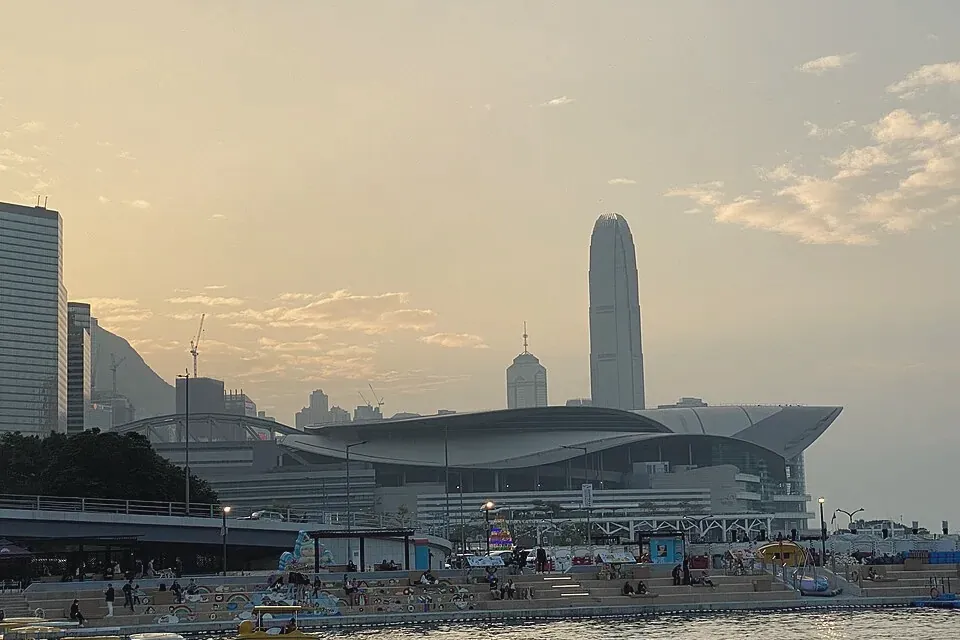
「2026 香港國際中醫藥大會暨博覽會」11 月 25 到 28 日在會展中心 Hall 3E,主題是「藥香無界・港通全球」,主辦是紫荊文化集團,承辦是紫荊雜誌社和中醫藥全產業鏈香港中心,國家中醫藥管理局、中聯辦等列為指導支持單位。展覽 4,200 平方公尺、約 120 個展位,分產品展銷、養老產業、國際產品、智慧中醫體驗、珍稀藥材、健康義診六區;開幕當晚有藥食同源晚宴,還有峰會、名中醫講堂、義診和太極學拳、八段錦學的展演。標準展位 9 平方公尺,價格 2 萬到 3 萬港元。支持機構名單裡,有香港幾所大學的中醫學院、美國、馬來西亞、菲律賓的中醫團體,也有台灣中藥臨床學會。
寧夏以主賓省身分參加,自治區商務廳組了 20 家中藥材相關企業,帶枸杞、甘草、苦參這些道地藥材和養生產品;官方說目的是拓展國際市場、擴大出口規模。寧夏日報寫 11/24 開幕,主辦方寫 11/25 上午開幕,以主辦方為準。
同一時間,中國商務部主辦、醫保商會承辦,和馬來西亞兩個中醫藥團體合辦的「2026 中國中醫藥健康服務展」,11 月 25 到 27 日在吉隆坡 MITEC:4,200 平方公尺、200 多個展位、100 多家中國企業,七大主題是藥食同源、保健與功能營養、醫療保健、傳統補充醫學、傳統療法與養生方案、傳統醫療器材、綠色有機。同仁堂、雲南白藥這些老字號帶經典方;天士力強調 NPRA、GMP、HALAL 認證;國藥帶 500 多種道地藥材,有一區主打「零硫磺、黃麴毒素不超標、全程可追溯」。現場有把脈、針灸、推拿、藥膳試吃的體驗區,也排了中國和東協的採購媒合會。
我的看法:這兩場展說的是同一件事:中醫藥出海的門票,已經不是「老字號」,而是「證照和可追溯」。你看參展商自己挑出來講的重點:天士力不講方子多神,講的是 NPRA、GMP、HALAL;國藥那一區不講藥效,講的是零硫磺、黃麴毒素不超標、全程可追溯。這代表東南亞的買家,最在意的是能不能合法上架、會不會出事,而這正是過去中藥材最被質疑的地方。兩場展都是官方主導,香港偏品牌和文化、吉隆坡偏採購媒合,目標很清楚:把藥食同源當成出口品類,先打華人多、又有中醫傳統的市場。對台灣品牌,這是直接的競爭,因為枸杞、紅棗、四物在海外華人超市,本來就是台灣貨的強項;但台灣的機會也在同一個地方:我們的藥材檢驗、標示一向做得細,如果能把「驗過什麼」直接印在包裝上、拿到當地的註冊和 HALAL,就能在「可以放心」這一點上贏過價格。下次在 LA 的華人超市買枸杞,先看包裝有沒有寫產地和檢驗,比看品牌更重要。
數字BY THE NUMBERS
Jasmine 說MY TAKE
Jasmine 說
我的看法:
中醫藥出海的門票,
不是老字號,是證照和可追溯。
參展商自己挑來講的,
是 NPRA、HALAL、零硫磺。
台灣的機會也在這裡:
把「驗過什麼」直接印在包裝上。
你可以怎麼用HOW TO USE THIS
- 在香港想去看:會展中心 Hall 3E,11/25–28;主辦方說有健康義診區,看診前把自己正在吃的藥和保健品列好。
- 「藥食同源」的東西是食物,不是藥。體質學偏熱、懷孕或正在吃藥,枸杞、紅棗這類天天吃之前,先問中醫師。
來龍去脈TIMELINE
- 香港國際中醫藥大會舉行發布會。
- 寧夏商務廳宣布以主賓省身份赴港,帶 20 家企業。
- 吉隆坡中醫藥健康服務展、香港博覽會同日開幕。
- 香港博覽會閉幕,集體簽約。
接下來看什麼:兩場展簽下多少訂單、哪些藥食同源產品進東南亞。;香港會不會把這場大會辦成每年固定的品牌。
這篇提到的,SOS 練得到PRACTISE IT AT SOS
在 SOS 接著練SOULS OF SUNSHINE
相關脈案RELATED
IN ENGLISH
One week, two TCM expos: Hong Kong and Kuala Lumpur push "food-as-medicine" overseas
The Hong Kong International TCM養 Congress runs Nov 25–28; a Commerce Ministry–hosted TCM health expo runs Nov 25–27 in Kuala Lumpur. It's not just medicine on show, but food, drinks and services.
- The 2026 Hong Kong International TCM Congress and Expo runs Nov 25–28 at the HKCEC, Hall 3E, hosted by Bauhinia Culture Group: 4,200 sqm, about 120 booths, six zones.
- Ningxia is a guest-of-honor province, bringing 20 herb companies with goji, licorice and sophora root among the products.
- The 2026 China TCM Health Service Expo, hosted by China's Ministry of Commerce, runs Nov 25–27 at MITEC in Kuala Lumpur: 4,200 sqm, 200+ booths, and "food-as-medicine" first of seven themes.
The 2026 Hong Kong International TCM Conference and Expo runs November 25 to 28 in Hall 3E of the Convention and Exhibition Centre, themed "Herbal fragrance without borders," organised by Bauhinia Culture Group with Bauhinia Magazine and a TCM industry-chain centre, with China's National Administration of TCM and the central government's liaison office listed as guiding supporters. It covers 4,200 sq m and about 120 booths across six zones: product sales, elderly care, international products, smart-TCM experiences, rare herbs and free health consultations, plus a food-medicine dinner on opening night, a summit, lectures by renowned practitioners, free clinics and tai chi學 and baduanjin學 performances. A standard 9 sq m booth costs HK$20,000 to 30,000. Supporting organisations include Hong Kong universities' Chinese-medicine schools, TCM groups from the US, Malaysia and the Philippines, and Taiwan's Chinese Herbal學 Medicine clinical society.
Ningxia attends as guest province; its commerce department organised 20 herb companies bringing goji, licorice, sophora root and wellness products, with the stated aim of expanding international markets and exports. The Ningxia Daily gave the opening as November 24; the organiser says the morning of November 25, which we follow.
At the same time, the 2026 China TCM Health Service Expo, hosted by China's Ministry of Commerce, organised by its medicines and health-products trade chamber and co-organised with two Malaysian TCM associations, runs November 25 to 27 at MITEC: 4,200 sq m, over 200 booths and more than 100 Chinese companies, across seven themes from food-medicine substances and functional nutrition to traditional therapies, devices and green organics. Old houses like Tongrentang and Yunnan Baiyao bring classic formulas; Tasly highlights NPRA, GMP and HALAL certification; Sinopharm brings over 500 daodi herbs, and one booth leads with "zero sulphur, aflatoxin within limits, fully traceable." There are pulse, acupuncture, tuina and medicinal-food tasting experiences, and a China-ASEAN procurement matchmaking session.
My take: both expos say the same thing: the ticket for Chinese herbs going abroad is no longer an old brand name but licences and traceability. Look at what exhibitors themselves chose to highlight: Tasly talks not about how miraculous its formula is but about NPRA, GMP and HALAL; Sinopharm's zone talks not about efficacy but about zero sulphur, aflatoxin within limits and full traceability. That tells you Southeast Asian buyers care most about legal shelf access and avoiding trouble, exactly where Chinese herbs have been questioned most. Both events are state-led, Hong Kong leaning to brand and culture, Kuala Lumpur to procurement, with one clear goal: make food-medicine herbs an export category, starting with markets that have large Chinese communities and a TCM tradition. For Taiwanese brands this is direct competition, since goji, jujubes and si wu tang packs have long been a Taiwan strength on overseas Chinese supermarket shelves; but Taiwan's opening lies in the same place: our herb testing and labelling have always been meticulous, and printing what was tested right on the pack, plus local registration and HALAL, can beat price on peace of mind. Next time you buy goji at a Chinese supermarket in LA, check the pack for origin and testing before you look at the brand.
- In Hong Kong: HKCEC Hall 3E, Nov 25–28. The organizer lists a free consultation zone; bring a list of the medicines and supplements you take.
- Food-as-medicine items are food, not medicine. If you run hot, are pregnant or take medication, ask a TCM doctor before eating goji or jujubes every day.
出處SOURCES
- 紫荊網|2026 香港國際中醫藥大會暨博覽會(主辦方頁面)
- 人民網(寧夏日報)|寧夏將以主賓省身份參加香港國際中醫藥大會(2026/11/21)
- 2026 中國中醫藥健康服務展官網
- CCCMHPIE 新聞稿(FinancialContent)|Countdown 2 Days: 2026 China TCM Health Service Expo(2026/11/23)
- Hong Kong Convention and Exhibition Centre|Event Calendar
- 香港文匯報|2026 香港國際中醫藥大會將於 11 月 25 日至 28 日舉辦(2026/10/16)
想一張一張滑、投票、收藏?打開互動版。