聲音的門,由你來開:東京用障子調整聲音,休士頓說同一個聲音每個人聽到的都不一樣
You open the door to the sound: Tokyo tunes a room with shoji screens, and Houston says no two people hear the same sound
文:Jasmine Chang・Souls of Sunshine
11/20–22,東京 MoN Takanawa 的《あわい間 / Awai Ma》,障子拉開多少,48.4 聲道的聲音就跟著變;11/21,休士頓 The Health Museum 開了常設展 Sensing Sound。兩個地方說的是同一件事:聽,是每個人自己的事。
30 秒版TL;DR
- Yamaha 的立體音響 Sound xR 在東京 MoN Takanawa 做了《あわい間 / Awai Ma》:障子後面藏著 LED,感測器看你拉開多少,48.4 聲道喇叭的聲音擴散和殘響就跟著變。11/20–22 展出,免費預約,每場 50 人。
- 休士頓 The Health Museum 11/21 開了常設展 Sensing Sound: A Perception Box Experience:五個感官區、聽覺錯覺、用自己的聲音和振動做實驗,還有近 20 位休士頓人錄的 Sound Stories,英文、西班牙文雙語。
- 一個把聲音的開關交給來的人,一個直接說同一個聲音有人覺得開心、有人覺得不舒服:聲音體驗開始從「大家一起被包圍」,走向「每個人自己決定、自己感覺」。
導讀WHY IT MATTERS
大部分的聲音體驗,是大家一起躺著被聲音包圍。這兩個新展反過來:一個讓你自己決定聲音進來多少,一個直接告訴你,每個人聽到的本來就不一樣。
- 障子
- 日本傳統的拉門和隔間:細木格框,外面糊上和紙。它透光但不透視,拉開一點、關上一點,就能改變房間裡的光和聲音,是日本建築裡調整「內外距離」的工具。在《Awai Ma》裡,它變成聲音和光的開關。
- Sound xR 和 48.4 聲道
- Sound xR 是 Yamaha 的立體音響方案,用很多支喇叭在空間裡擺放、移動聲音,讓聲音跟著人的動作變。「48.4」的意思是 48 個一般聲道加上 4 個超低音聲道。這種沉浸式系統平常用在讓聲音更大、更滿的展演,這件作品卻用它在一間榻榻米房裡做很細的變化。
- 殘響
- 聲音停了之後,在空間裡反射、慢慢消失的那一段。殘響長,空間聽起來大、空靈,像教堂;殘響短,聲音乾、近,像錄音室。《Awai Ma》用障子拉開的程度,改變的就是聲音的擴散和殘響。
- Perception Box
- 非營利組織 Unlikely Collaborators 的創辦人 Elizabeth R. Koch 提出的框架:每個人都透過一個看不見的「盒子」在感覺世界,盒子由身體、信念、經歷組成,所以同一個聲音,有人覺得開心,有人覺得不舒服。
這則在講什麼THE STORY
東京高輪的 MoN Takanawa,11/20 到 22 日在 4 樓「Tatami」放了一件很安靜的作品:《あわい間 / Awai Ma》。SWAG 企劃製作、PRESSTONE 協力聲音設計,用的是 Yamaha 的立體音響方案 Sound xR。空間的邊界是一排障子,後面藏著 LED;感測器偵測障子拉開多少,場內全部 48.4 聲道的喇叭就改變聲音的擴散和殘響,影像和光也跟著變。「あわい」指的是不同的空間、時間、關係重疊的地方;製作團隊說,這是一個讓人從每天的資訊和刺激裡退開一點,只是看著風景、聽著聲音的作品。
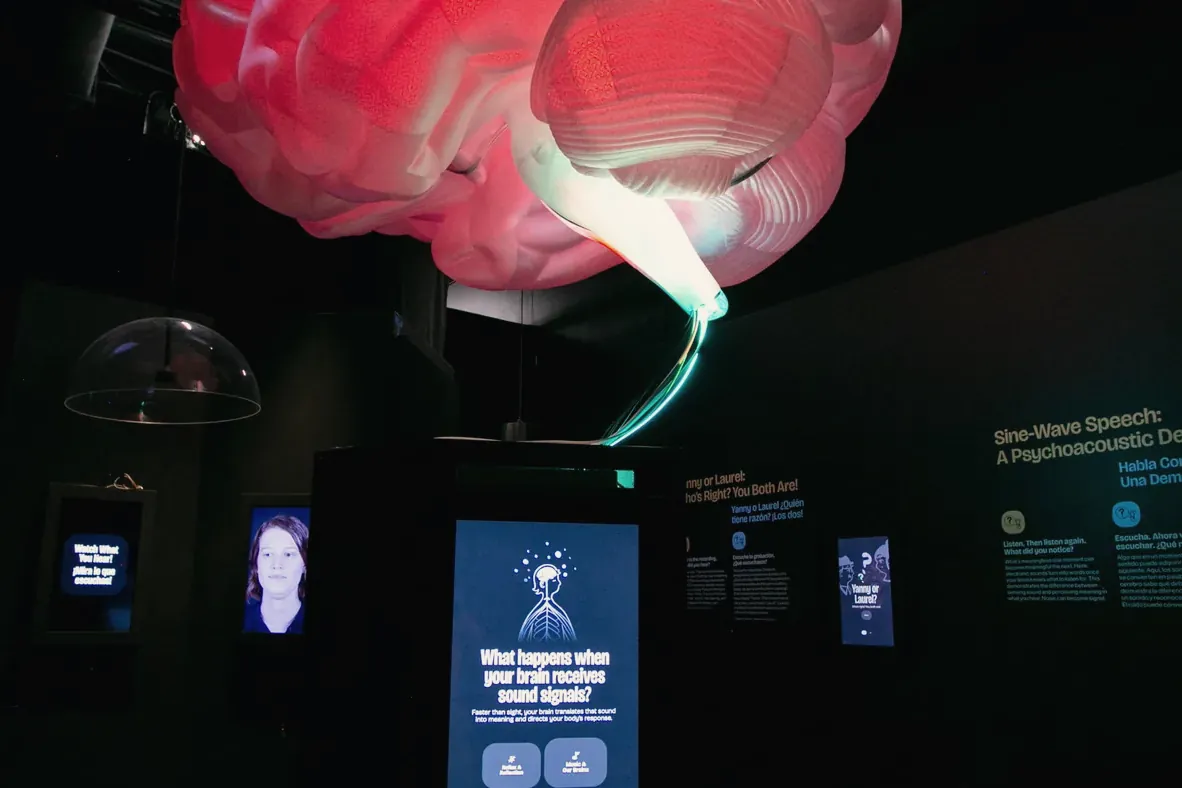
同一個週末,休士頓的 The Health Museum 在 11/21 開了常設展 Sensing Sound: A Perception Box Experience,和非營利組織 Unlikely Collaborators 合作。從一個耳朵造型的入口走進去,五個感官區把振動、身體、大腦、情緒和感知串起來:沉浸式聲景、聽覺錯覺、用自己的聲音和振動做實驗,還有近 20 位休士頓人錄下的 Sound Stories,講音樂、記憶、文化和健康。核心概念是 Perception Box:每個人都透過一個看不見的「盒子」在感覺世界,所以同一個聲音,有人覺得開心,有人覺得不舒服。
我的看法:這兩件作品指向聲音體驗的一個大轉向:主角從「發出聲音的人」,換成「聽的人」。過去的沉浸式聲音,比的是喇叭多、聲音大、包得滿;東京這件用了 48.4 聲道,卻是拿來做退後一步的安靜,而且聲音的開關交給拉障子的人。休士頓更直接,一開始就承認同一個聲音有人開心、有人不舒服。身為音療學師,我覺得這對我們這一行是很實際的提醒:一場頌缽好不好,不只看樂器和技巧,也看有沒有給每個人「調距離」的權利,能不能選位置、能不能離樂器遠一點、能不能中途坐起來。西方的創傷知情(trauma-informed)照護講的是同一件事:讓人有選擇和掌控感,身體才會放鬆。我猜接下來好的音療空間,會像障子一樣設計:不是把人包起來,而是讓每個人自己決定要靠多近。這兩個都是展覽,不是療程,但它們示範的設計方法,很值得帶進療程裡。
數字BY THE NUMBERS
Jasmine 說MY TAKE
Jasmine 說
我的看法:
聲音體驗的主角,
從發出聲音的人,換成聽的人。
48.4 聲道,拿來做退後一步的安靜。
好的音療空間會像障子:
不是把人包起來,
是讓每個人自己決定要靠多近。
你可以怎麼用HOW TO USE THIS
- 《Awai Ma》只展到 11/22,已經結束。想在家感覺「距離」對聲音的影響:同一段音樂,先隔著一扇門聽,再把門慢慢打開,注意身體哪裡先放鬆。
- Sensing Sound 是常設展,在 The Health Museum(1515 Hermann Drive,休士頓 Museum District),週一休館。The Hearing Review 寫的票價:13 歲以上 15 美元,3–12 歲和 65 歲以上 12 美元,週四下午 2–5 點免費;出發前再看一次官網。對聲音敏感的人可以帶耳塞。
來龍去脈TIMELINE
- Yamaha 宣布參加 MUTEK.JP 2026,會用 Sound xR 做一件互動裝置。
- The Health Museum 宣布 Sensing Sound 會在 11/21 開幕。
- 《Awai Ma》在 MoN Takanawa 開展,SWAG 和 PRESSTONE 公布作品做法。
- Sensing Sound 在休士頓開幕。
- 《Awai Ma》最後一天。
- Houston Public Media 的 Hello Houston 訪問館方介紹這個展。
接下來看什麼:The Health Museum 說會配合這個展,從科學、健康、音樂、藝術和 wellness 的角度辦延伸活動。;讓參與者自己控制聲音的互動裝置,之後會不會走進 spa、飯店或療癒空間,值得看。
翻我的圖鑑FIELD GUIDES
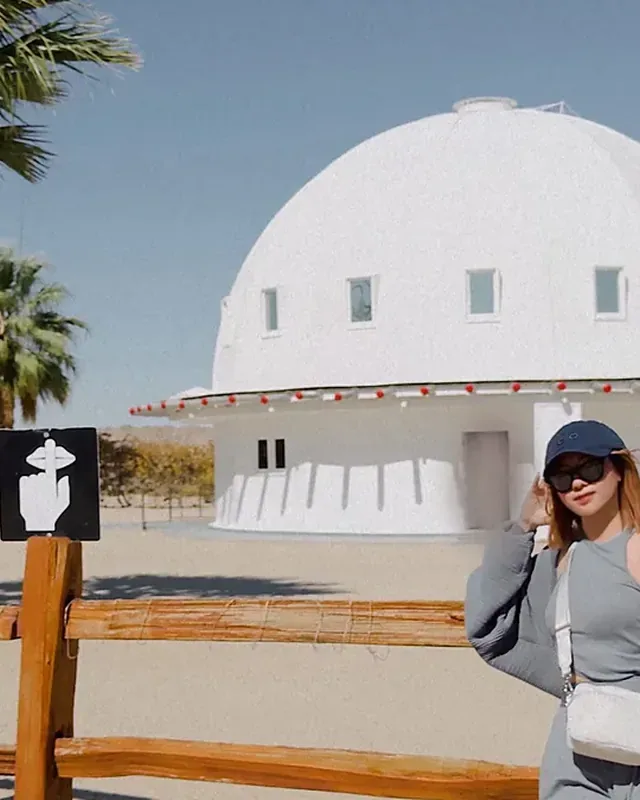 JSLALALAND 圖鑑LA sound bath 地圖|LA人為什麼願意花錢,躺著聽一個小時?LA sound bath 地圖:一個 sound healer 整理的 LA 聲音浴,從 Venice 的呼吸+聲音教室到沙漠裡的白色圓頂,還有研究怎麼說。
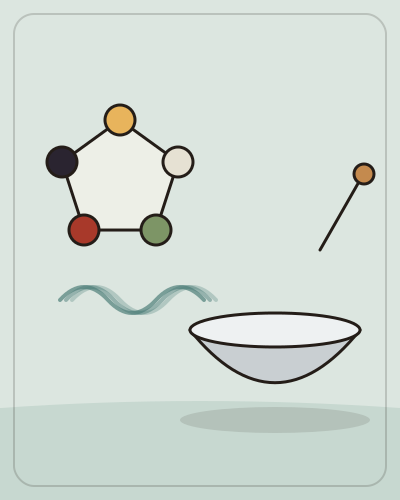 JSLALALAND 圖鑑五音療法 vs Sound Bath五音療法 vs Sound Bath:中醫的五音和 LA 的 sound bath 放在同一個畫面裡比。
這篇提到的,SOS 練得到PRACTISE IT AT SOS
在 SOS 接著練SOULS OF SUNSHINE
相關脈案RELATED
IN ENGLISH
You open the door to the sound: Tokyo tunes a room with shoji screens, and Houston says no two people hear the same sound
From Nov 20 to 22, Awai Ma at MoN Takanawa in Tokyo changed its 48.4-channel sound with how far visitors slid the shoji open. On Nov 21, Houston's Health Museum opened the permanent exhibit Sensing Sound. Both say the same thing: listening is personal.
- Yamaha's Sound xR spatial audio powered Awai Ma at MoN Takanawa in Tokyo: LEDs sit behind shoji screens, sensors read how far they're open, and the spread and reverb of 48.4 channels of sound follow. Free with a reservation, 50 people a session, Nov 20–22.
- Houston's Health Museum opened Sensing Sound: A Perception Box Experience on Nov 21, a permanent exhibit with five sensory zones, auditory illusions, voice and vibration experiments, and Sound Stories recorded by nearly 20 Houstonians, in English and Spanish.
- One hands the sound's switch to the visitor; the other says outright that the same sound brings one person joy and another discomfort. Sound experiences are moving from everyone wrapped in the same sound to each person choosing and feeling for themselves.
From November 20 to 22, MoN Takanawa in Tokyo showed a very quiet work in its fourth-floor Tatami room: Awai Ma, produced by SWAG with sound design support from PRESSTONE, using Yamaha's Sound xR immersive audio. The room is bounded by a row of shoji with LEDs behind them; sensors read how far each screen is open, and all 48.4 channels of speakers change the sound's spread and reverberation, with images and light shifting too. "Awai" means the place where spaces, times and relationships overlap; the team calls it a work for stepping back a little from daily information and stimulation, to simply watch and listen.
The same weekend, Houston's Health Museum opened a permanent exhibit, Sensing Sound: A Perception Box Experience, with the nonprofit Unlikely Collaborators, on November 21. You enter through an ear-shaped doorway into five sensory zones linking vibration, body, brain, emotion and perception: immersive soundscapes, auditory illusions, experiments with your own voice and vibration, and Sound Stories recorded by nearly 20 Houstonians about music, memory, culture and health. Its core idea is the Perception Box: everyone senses the world through an invisible box, so the same sound delights one person and unsettles another.
My take: these two works point to a big shift in sound experiences: the protagonist changes from the person making the sound to the person listening. Immersive audio used to compete on more speakers, more volume, more surround; Tokyo used 48.4 channels for the quiet of stepping back, and handed the switch to whoever slides the shoji. Houston goes further and starts by admitting the same sound delights some and unsettles others. As a sound healer, I find this a practical lesson for my field: a good bowl session depends not only on instruments and technique but on giving each person the right to adjust their distance, to choose a spot, sit farther from the instruments, sit up halfway through. Trauma-informed care in the West says the same thing: people relax when they have choice and a sense of control. My guess is the best sound spaces will be designed like shoji, not wrapping people in sound but letting each person decide how close to come. Both are exhibitions, not treatments, but the design thinking belongs in our sessions.
- Awai Ma closed on Nov 22. To feel how distance changes sound at home, play the same piece of music behind a closed door, then open the door slowly and notice where your body lets go first.
- Sensing Sound is permanent, at The Health Museum, 1515 Hermann Drive in Houston's Museum District, closed Mondays. The Hearing Review lists admission at $15 for 13 and up, $12 for ages 3–12 and 65+, and free on Thursdays from 2 to 5 p.m.; check the museum's site before you go. Earplugs are fine if you're sensitive to sound.
出處SOURCES
- PR TIMES:SWAG・PRESSTONE、「MUTEK.JP 2026」関連展示に参加 ー ヤマハ「Sound xR」を活用したインタラクティブインスタレーションを制作 (2026-11-20)
- Yamaha:Yamaha to Participate in International Arts and Culture Festival “MUTEK.JP 2026” (2026-11-06)
- ETERNAL Art Space:RESONANCE — Tradition Reimagined(官方展覽頁)
- PR Newswire:The Health Museum Invites Houston to Experience Sound in a Whole New Way (2026-11-09)
- The Hearing Review:Houston's Health Museum Opens Permanent Exhibit Exploring the Science of Sound Perception (2026-11-13)
- Houston Public Media:Hello Houston (November 23, 2026)
- The Health Museum:Sensing Sound(官方展覽頁)
想一張一張滑、投票、收藏?打開互動版。