泡澡變成年輕人的週末行程:首爾第一場三溫暖市集開張,日本的街坊錢湯一年又少了 69 間
Bathing becomes a weekend plan for the young: Seoul holds its first Sauna Market, while Japan loses another 69 neighborhood sento in a year
文:Jasmine Chang・Souls of Sunshine
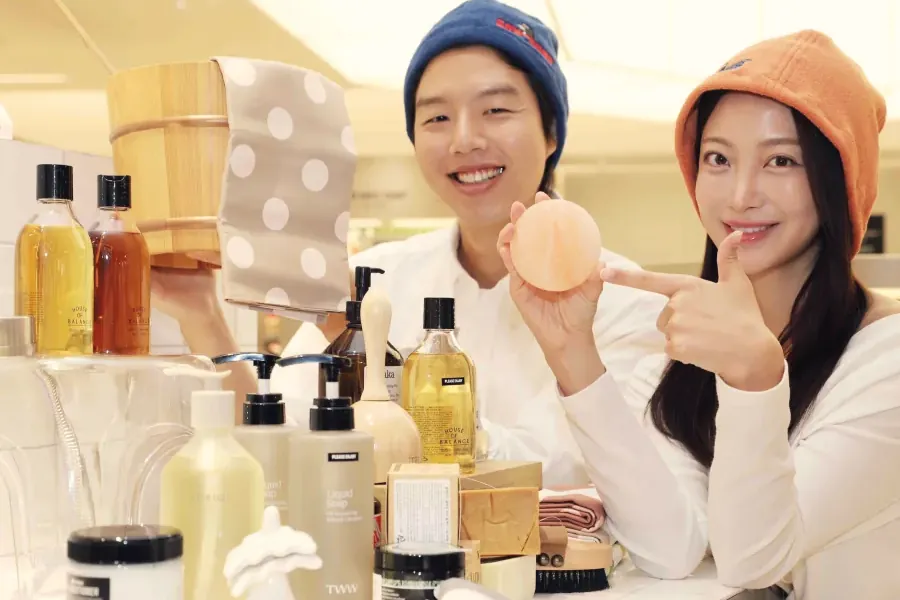
11/20–22,首爾 COEX 開了第一場 Sauna Market,20 個三溫暖品牌,日本的 TTNE 第一次來韓國擺攤,賣限量聯名三溫暖帽;新世界百貨的三溫暖用品區,日均營業額是商品分散陳列時的 3 倍。同一個週末,東京巨蛋城辦「いいふろまつり」,慶祝 2026 這個「千年一次的泡澡年」,但全浴連的數字是:今年 4 月全日本加盟的錢湯剩 1,493 間,一年少了 69 間。
30 秒版TL;DR
- 首爾(11/20–22):第一場 Sauna Market 在 COEX 的 2026 Wellness & Mind Care Expo 裡開張,20 個品牌;辦 SAUNACHELIN 排行的日本 TTNE 第一次在韓國擺攤,賣兩款限量聯名三溫暖帽。
- 三溫暖在韓國變成一門生意:韓國經濟新聞引述業界,29CM 今年 1–9 月「三溫暖」相關搜尋年增 2,230%;新世界百貨的三溫暖用品區 10/27 開幕,到 11/22 日均營業額是分散陳列時的 3 倍,一頂三溫暖帽 54,000 韓元。
- 東京(11/21–23):「いいふろまつり」用 026(o-fu-ro,泡澡)的諧音,慶祝千年一次的泡澡年;全浴連的統計是,加盟錢湯從 1968 年高峰的 17,999 間,掉到今年 4 月的 1,493 間。東京錢湯大人票價 8 月起是 600 日圓。
導讀WHY IT MATTERS
三溫暖在美國、日本、韓國都在變熱門,但熱的方式不一樣。這個週末首爾和東京剛好各辦了一場泡澡的大活動,一邊是新生意的數字,一邊是老澡堂的數字,放在一起看最清楚。
- 錢湯
- 日本的街坊公共澡堂,法律上叫「一般公眾浴場」,是給家裡沒有浴室的人日常洗澡用的公共設施。因為帶有公共衛生的性質,它的大人票價由各都道府縣統一訂上限,店家不能自己漲價:東京今年 8 月從 550 日圓調到 600 日圓。超級錢湯和三溫暖設施不受這個上限管,也不算在全浴連的錢湯統計裡。
- 汗蒸幕
- 韓國的大型公共澡堂加休息區。「汗蒸」原本指用黃土、石頭砌成的高溫窯房,進去坐著流汗;現在的汗蒸幕多半 24 小時營業,有不同溫度的烤房、泡湯池和一大片休息大廳,泡完換上館內衣服,可以躺著、吃東西、過夜。韓國經濟新聞說,市場正從這種大型汗蒸幕,分成一人包場的私人三溫暖和一群人聊天的 social sauna。
- ととのう
- 日本三溫暖迷的說法,指熱、冷、休息輪過幾回之後,身心安定下來、很清爽的狀態。常見的流程是烤箱 6 到 12 分鐘、冷水池 1 分鐘左右、再到外面坐著休息 5 到 10 分鐘,重複三輪。它是愛好者的感受描述,不是醫學名詞,背後的生理機制研究還在早期。TTNE 的名字就是從這個字來的。
- お風呂の年
- 2026 的後三碼 026,日文可以念成 o-fu-ro(お風呂,泡澡),日本業者因此把今年叫「千年一次的泡澡年」,由執行委員會辦一整年的活動。
這則在講什麼THE STORY
11/20 到 22,COEX 的 2026 Wellness & Mind Care Expo 裡開了第一場 Sauna Market,由韓國兩個三溫暖社群 mondaysauna 和 saunaship 合辦,20 個品牌賣毛巾、肥皂、包包、浴袍、三溫暖後的保養和茶。日本的 TTNE(辦 SAUNACHELIN 排行、說自己企劃過 100 多間三溫暖的團隊)在這裡開了第一個韓國快閃,賣和兩個社群聯名的限量三溫暖帽。同一個週末,浴室品牌 Royal & Co. 和一位三溫暖創作者在學洞站旁辦第二場「沐浴市集」,韓國經濟新聞形容門口排了長長的隊,多半是二、三十歲。
這家報紙引述業界:29CM 今年 1 到 9 月「三溫暖」相關搜尋比去年同期多 2,230%;在 Naver 搜「一人三溫暖」的人,71.1% 是二、三十歲。新沙洞的一人私人三溫暖 Sisu House 一次 7 萬韓元以上,每個月開放預約都要搶,七成客人是二、三十歲;京畿道楊平一間私人三溫暖,兩人四小時 19 萬到 21 萬韓元,一個月的預約也滿了。Sisu House 的負責人說,吸引人的是能從一直看、一直消費的數位日常走出來,在一個實體的地方什麼都不做。
新世界百貨 10/27 在 House of Shinsegae 清潭開了三溫暖用品區,新聞稿列的代表商品是 200 毫升黑肥皂 45,000 韓元、500 毫升按摩油 99,000 韓元、三溫暖帽 54,000 韓元;首爾經濟新聞引述新世界,到 11/22 這一區的日均營業額,是同樣商品分散陳列時的 3 倍。Olive Young 10/30 也在聖水洞的 Olive Better 開了三溫暖專區。
11/21 到 23,東京巨蛋城 LaQua 的草地廣場辦「いいふろまつり 2026」,免費入場,主辦是「2026 お風呂の年」執行委員會,牛乳石鹼特別贊助。三天的主題是暖身、療癒和ととのう,最後一天排了一場要「把不愛洗澡的人變成愛泡澡的人」。產經新聞報導,台上的信州大學學生說,錢湯是能跟不同年紀的人說話的地方;京都大學錢湯社團的學生說,在錢湯放鬆,能跟朋友聊平常聊不到的事。全浴連的副理事長則說,現在的客人多半是長輩,要讓每個年紀的人都來。全浴連的統計很直接:加盟錢湯 1968 年高峰是 17,999 間,2025 年 1,562 間,今年 4 月 1 日剩 1,493 間。東京都 8 月 1 日起把錢湯大人票價的上限,從 550 日圓調到 600 日圓。
我的看法:同一股三溫暖熱,在首爾是「私有化」,在東京是在拚命保住「公共」,而這兩條路的價格差,說明了一切。首爾最搶手的是一人包廂,一次 7 萬韓元起,賣的是「一個人什麼都不做」;百貨公司把三溫暖用品集中陳列,日均營業額變 3 倍,賺錢的是帽子、浴袍和油。東京的錢湯剛好相反,票價有法律上限,8 月才調到 600 日圓,一次私人三溫暖的錢,大概可以泡十次以上的錢湯,它卻一年少了 69 間。原因很簡單:錢湯賣的是公共性,價格不能漲,熱潮的錢流不進去。所以我覺得 TTNE 這種團隊最有意思,它把潮流的流量,用排行、聯名帽子這些年輕人買單的東西,再導回實體澡堂。泡澡文化能不能留下來,關鍵不是再多一間漂亮的私人三溫暖,而是讓買帽子的人,最後也願意花 600 日圓,跟一群陌生的阿公阿嬤泡同一池熱水。台灣的溫泉和老澡堂,其實也在同一題裡。
數字BY THE NUMBERS
Jasmine 說MY TAKE
Jasmine 說
我的看法:
同一股三溫暖熱,
首爾在私有化,東京在拚命保住公共。
一次私人三溫暖的錢,
大概可以泡十次以上的錢湯。
錢湯票價有上限,熱潮的錢流不進去。
關鍵是讓買帽子的人,
也願意跟阿公阿嬤泡同一池熱水。
你可以怎麼用HOW TO USE THIS
- 第一次去日本錢湯:進池子前先把身體洗乾淨,毛巾不要放進湯裡。東京錢湯大人一次 600 日圓,是東京都 2026 年 8 月起訂的上限。
- 三溫暖和冷熱交替不是越久越好:覺得夠了就出來,中間記得喝水。有心臟病、高低血壓、懷孕,或在吃會影響血壓的藥,先問醫師;喝過酒就不要進三溫暖。
來龍去脈TIMELINE
- 全浴連加盟錢湯達到高峰,17,999 間。
- 加盟錢湯剩 1,493 間(2025 年是 1,562 間)。
- 東京錢湯大人票價上限從 550 調到 600 日圓。
- 新世界百貨在 House of Shinsegae 清潭開三溫暖用品區。
- 首爾第一場 Sauna Market 開張(到 11/22),TTNE 第一次在韓國擺攤。
- 東京「いいふろまつり 2026」開幕(到 11/23)。
接下來看什麼:11/26 是日本的「いい風呂の日」,「2026 お風呂の年」的活動也在這天收尾。;韓國的三溫暖熱,能不能從市集和周邊,變成大家常去、也撐得起街坊澡堂的習慣。
翻我的圖鑑FIELD GUIDES
 JSLALALAND 圖鑑LA 汗蒸幕&spa 圖鑑|LA人一週的累,都去哪裡「泡」掉?
在 SOS 接著練SOULS OF SUNSHINE
相關脈案RELATED
IN ENGLISH
Bathing becomes a weekend plan for the young: Seoul holds its first Sauna Market, while Japan loses another 69 neighborhood sento in a year
From Nov 20 to 22, Seoul's COEX hosted the first Sauna Market, with 20 sauna brands and the first Korean pop-up by Japan's TTNE, selling limited collab sauna hats. Shinsegae says its sauna-goods corner is selling three times as much a day as the same items did displayed separately. The same weekend, Tokyo Dome City threw Ii Furo Matsuri for 2026, Japan's "once-in-a-thousand-years bath year." The Japan National Sento Association's count: 1,493 member sento on April 1, down 69 in a year.
- Seoul (Nov 20–22): the first Sauna Market opened inside the 2026 Wellness & Mind Care Expo at COEX with 20 brands. TTNE, the Japanese team behind the SAUNACHELIN rankings, ran its first pop-up in Korea, with two limited collab sauna hats on sale.
- Saunas are now a business in Korea: the Korea Economic Daily, citing the industry, says sauna-related searches on 29CM rose 2,230% year on year in January–September. Shinsegae's sauna-goods corner opened Oct 27; through Nov 22 its average daily sales were three times what the same items sold displayed separately, and a sauna hat costs ₩54,000.
- Tokyo (Nov 21–23): Ii Furo Matsuri celebrated the bath year, since 026 can be read o-fu-ro, "bath." The association's count: member sento fell from a 1968 peak of 17,999 to 1,493 this April. An adult sento visit in Tokyo has cost ¥600 since August.
From November 20 to 22, the 2026 Wellness & Mind Care Expo at COEX hosted Seoul's first Sauna Market, run by two Korean sauna communities, mondaysauna and saunaship, with 20 brands selling towels, soap, bags, robes, after-sauna skincare and tea. Japan's TTNE, the team behind the SAUNACHELIN ranking that says it has planned over 100 saunas, opened its first Korean pop-up there with limited sauna hats co-branded with both communities. The same weekend, bath brand Royal & Co. and a sauna creator held a second bath market near Hakdong Station; the Korea Economic Daily described a long queue, mostly people in their 20s and 30s.
The paper cites the industry: searches for "sauna" on 29CM rose 2,230% year on year from January to September, and 71.1% of people searching "one-person sauna" on Naver are in their 20s and 30s. Sisu House, a private one-person sauna in Sinsa-dong, charges ₩70,000 and up, sells out its monthly booking window, and 70% of guests are in their 20s and 30s; a private sauna in Yangpyeong, Gyeonggi, charging ₩190,000 to ₩210,000 for two people for four hours, is booked solid for a month. Sisu House's owner says the draw is stepping out of a digital life of constant watching and buying to do nothing in a physical place.
Shinsegae opened a sauna-goods corner at House of Shinsegae Cheongdam on October 27; its release lists black soap at ₩45,000 for 200 ml, massage oil at ₩99,000 for 500 ml and sauna hats at ₩54,000. The Seoul Economic Daily quotes Shinsegae: through November 22 the corner's daily sales were three times what the same products made when scattered around the store. Olive Young opened a sauna section at Olive Better in Seongsu on October 30.
From November 21 to 23, Tokyo Dome City LaQua's lawn hosted the free Ii Furo Matsuri 2026, run by the 2026 Bath Year committee with Cow Brand soap as special sponsor. The themes were warming, healing and totonou, and the last day featured a session to turn bath-haters into bath-lovers. The Sankei reported a Shinshu University student on stage calling the sento a place to talk with people of every age, and a member of Kyoto University's sento club saying relaxing there lets friends talk about things they otherwise wouldn't. The association's vice chair said most customers are now elderly and every age group needs to come. Its own figures are blunt: member sento peaked at 17,999 in 1968, fell to 1,562 in 2025 and stood at 1,493 on April 1 this year. Tokyo raised its adult price cap from ¥550 to ¥600 on August 1.
My take: the same sauna boom is privatising in Seoul and fighting to keep things public in Tokyo, and the price gap between the two says it all. Seoul's hottest product is the one-person room at ₩70,000 and up, selling the chance to do nothing alone, and a department store that grouped its sauna goods saw daily sales triple: the money is in hats, robes and oils. Tokyo's sento are the opposite. Their price is capped by law, only raised to ¥600 in August, so one private sauna session costs about as much as ten or more sento visits, and they still lost 69 bathhouses in a year. The reason is simple: a sento sells public access, its price can't rise, and the boom's money can't flow in. That's why teams like TTNE interest me most: they take the trend's traffic, through rankings and co-branded hats that young people buy, and steer it back to real bathhouses. Whether bathing culture survives depends not on one more beautiful private sauna but on getting the people who buy the hat to also spend ¥600 soaking in the same hot water as a group of grandparents. Taiwan's hot springs and old bathhouses face the same question.
- First time at a Japanese sento: wash your whole body before you get in, and keep your towel out of the water. An adult visit in Tokyo is ¥600, the cap Tokyo set from August 2026.
- Longer isn't better with saunas and hot-cold rounds: get out when you've had enough and drink water in between. With heart disease, high or low blood pressure, pregnancy, or medicine that affects blood pressure, ask a doctor first; don't sauna after drinking.
出處SOURCES
- 全浴連:昭和33年からの組合加入銭湯数の推移(2026/4/14)
- 東京都生活文化局:公衆浴場入浴料金の統制額について(2026/7/21)
- 産経新聞社(PR TIMES):お風呂・サウナ文化の祭典「いいふろまつり2026」11月21日から3日間(2026/11/19)
- いいふろまつり2026 公式サイト
- 産経新聞(Yahoo!ニュース):「いいふろまつり2026」開幕 日本独自のお風呂文化や銭湯の魅力を発信(2026/11/21)
- TTNE(PR TIMES):韓国初のポップアップ出展!ソウル「SAUNA MARKET 2026」(2026/11/17)
- SAUNA MARKET 2026 公式サイト
- 한국경제:「4시간에 20만원, 술 안 마시고 여기 간다」…2030 바글바글(2026/11/23)
- Seoul Economic Daily:Sauna Hats and Pouches Turn Bathhouses Into Young Koreans' Hangouts(2026/11/23)
- 신세계그룹 뉴스룸:신세계百, 하우스오브신세계 청담에 사우나 용품 전문 공간 오픈(2026/10/28)
- 2026 お風呂の年プロジェクト:「いいふろまつり2026」開催決定!(2026/11/2)
- 牛乳石鹸:1000年に一度の「お風呂の年」に「いいふろまつり2026」に特別協賛(2026/11/6)
想一張一張滑、投票、收藏?打開互動版。