冬天養生,這次先講「誰別照做」:中國國家中醫藥管理局說泡腳包不能千人一方,手腳冰冷合併頭暈、心悸要看醫生
Winter self-care from China's TCM authority comes with limits: herbal foot soaks aren't one-size-fits-all, and cold hands plus dizziness or palpitations mean see a doctor
文:Jasmine Chang・Souls of Sunshine
11/19 中國國家中醫養藥管理局開「冬季的中醫藥保健」發布會,三位醫師一邊教手腳冰冷怎麼調、睡前怎麼泡腳、冬天怎麼動,一邊把界線講清楚:泡腳包不能千人一方,糖尿病水溫要在 40°C 以下,靜脈曲張不建議熱水泡;手腳冰冷合併頭暈、心悸,或情緒低落超過兩週,就去看醫生。
30 秒版TL;DR
- 手腳冰冷(李秋艷,西苑醫院):腳踝以下和腰腹保暖,艾灸關元每次約 10 分鐘、一週兩三次,三陰交每側按約 3 分鐘,快走、踮腳尖;合併頭暈、心悸、月經量少,就別在家自己保健。
- 泡腳:一般 40°C 左右、15 到 20 分鐘。泡腳包要看體質學;糖尿病水溫在 40°C 以下、泡完擦乾腳趾,靜脈曲張不建議熱水泡,心腦血管病人水溫低、時間短,腳上有破皮或疹子先不要泡。
- 心情與運動:早上拉開窗簾、曬背 15 到 20 分鐘、睡前不看手機,低落超過兩週要就醫;王玉光(北京中醫醫院)推薦八段錦學的「調理脾胃須單舉」「五勞七傷往後瞧」,中老年人微微出汗就好。
導讀WHY IT MATTERS
冬天的養生資訊很多,多半只教方法。這場官方發布會難得把「誰不適合」「什麼時候該看醫生」講清楚,剛好可以拿來當自己在家保健的界線。
- 冬藏
- 《黃帝內經》說冬天要「早臥晚起,必待日光」,順應自然把能量收起來。但「藏」不是不動:發布會上醫師提醒,動太少肌肉流失更多,中老年人要動,只是不要大汗,微微出汗就好。
- 艾灸
- 把艾草做成艾條或艾炷,點燃後靠近或放在穴位學上溫熱,用來溫經散寒。常用在關元、足三里這類穴位,每次 10 分鐘左右,感覺溫熱、皮膚微紅就好。燙傷是最常見的問題,皮膚感覺遲鈍的人要特別小心。
- 季節性情緒低落
- 冬天日照變短,有些人會覺得疲倦、想睡、情緒低、想吃甜的,嚴重的叫季節性情感障礙(SAD)。早上曬自然光、規律作息和運動有幫助;低落超過兩週、對什麼都提不起興趣,要看醫師。
這則在講什麼THE STORY
11 月 19 日下午,中國國家中醫藥管理局在北京開了今年「中醫藥健康促進」系列發布會的第十一場,主題是「冬季的中醫藥保健」;三天後,11/22 下午 3:23 就交小雪。這場最值得看的地方,是醫師每教一招,幾乎都補一句誰不適合、什麼時候要看醫生。
中國中醫科學院西苑醫院主任醫師李秋艷談手腳冰冷:腳踝以下和腰腹別受涼,襪子要穿過腳踝,別為了顯瘦穿太薄;可以艾灸關元穴(肚臍下三寸),每次 10 分鐘左右、一週兩三次;每天按揉三陰交(內踝尖上 3 寸、脛骨內側後緣),每側約 3 分鐘;久坐的人快走、踮腳尖;生薑、紅棗、桂圓可以吃,但不要大補。她特別強調,如果冰冷得很嚴重,又合併頭暈、心悸、月經量少,不要在家自己保健,要到專業機構看。
講到睡前泡腳,她說加中藥學泡腳包「不能千人一方」:偏寒、心肝火旺、痰濕的人該用的方向不一樣,很多泡腳包卻是固定配方,最好先讓醫師辨識體質。一般水溫 40°C 左右、泡 15 到 20 分鐘,背上微微潮熱就好,別泡到大汗淋漓。糖尿病患者對溫度不敏感,水溫要在 40°C 以下,用溫度計量或請家人幫忙,泡完一定擦乾,尤其腳趾;下肢靜脈曲張不建議用熱水泡;心腦血管病患者水溫低一點、時間短一點;腳上有破皮或疹子也不建議泡。飯前飯後半小時內別泡,睡前一小時剛好;泡的時候頭暈、胸悶、心慌或大汗淋漓,就立刻停。
冬天心情低、早上爬不起來,李秋艷的建議很日常:早睡晚起,但晚起不等於賴床;早上把窗簾拉開,讓自然光進來;溫度合適就出門曬背 15 到 20 分鐘;白天想睡就站起來走走、搓搓手、踮踮腳;睡前別看手機。冬天有些情緒起伏是正常的,但如果低落超過兩週、對什麼都提不起興趣,或合併厭食、失眠,就要及時就醫。
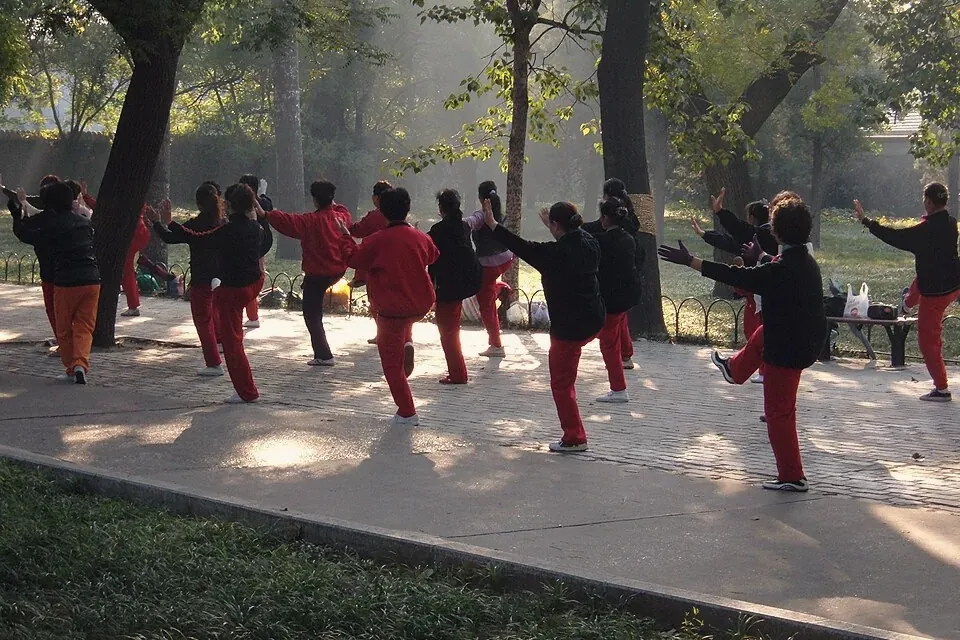
運動方面,首都醫科大學附屬北京中醫醫院主任醫師王玉光說,順應冬藏沒錯,但不能長時間不動,動得越少,肌肉流失越多;中老年人一定要動,但不要大汗,微微出汗就好。他推薦在室內練八段錦和太極拳,也提到墨西哥總統辛鮑姆在 APEC 期間說自己有練八段錦的習慣;現場由北京中醫藥大學東方醫院的劉思含示範「調理脾胃須單舉」和「五勞七傷往後瞧」兩式。
江陰市城東社區衛生服務中心副主任醫師匡宇娟則替冬令進補踩了煞車:膏方要由正規醫療機構的中醫師辨證開立,不要照抄別人的方子或跟風買;感冒發燒、咳嗽痰多的時候不適合補;吃了口乾、腹脹、上火,就要調整或停用。主持發布會的國家中醫藥管理局中西醫結合與少數民族醫藥司副司長張瑞,開場也提醒中醫醫院有治未病科:體質偏頗、亞健康、慢性病穩定期的人,還有兒童、青少年、育齡期或更年期前後的女性和長輩,都可以去做健康狀態的辨識、評估和調養指導。
我的看法:這場發布會最值得學的,不是哪一招,而是它的寫法:每教一招,就補一句誰不適合、什麼時候該看醫生。這是中醫養生內容最缺、也最需要的東西。網路上的冬季養生文,通常只說「泡腳好、艾灸好、多吃薑」,很少人講糖尿病的人對溫度不敏感、靜脈曲張不要泡熱水、膏方不能照抄別人的;官方這次把這些「但書」放得跟方法一樣重,等於替整個養生產業立了一個標準。我也很喜歡那句「晚起不等於賴床」:冬藏是早點睡、順著天黑天亮作息,不是整個冬天不動,醫師也說動得越少、肌肉流失越多。從政策角度看,它也在推治未病科,把「還沒生病但不太對」的人帶進醫院,這是中醫最有優勢、也最能被制度化的位置。台灣其實有很好的中醫師和健保,缺的是像這樣,把日常保健和「該看醫生的時候」講清楚的公共溝通。我自己寫養生內容,也會照這個標準:方法和但書一起給。
數字BY THE NUMBERS
Jasmine 說MY TAKE
Jasmine 說
我的看法:
每教一招,
就補一句誰不適合、何時看醫生。
「晚起不等於賴床」,
冬藏不是整個冬天不動。
方法和但書,
要一起給。
你可以怎麼用HOW TO USE THIS
- 買中藥泡腳包之前,先想想自己偏哪一邊:發布會上說,手腳冰冷偏寒、容易上火心煩失眠、身體沉重舌苔厚膩,要用的方向都不一樣。不確定就先讓中醫師看;有糖尿病的人用溫度計量水溫,泡完把腳趾擦乾。
- 想按三陰交、灸關元:發布會給的是三陰交每側約 3 分鐘,關元每次灸約 10 分鐘、一週兩三次。學院的三陰交頁面也提醒懷孕不要按;艾灸是熱,懷孕或皮膚感覺比較遲鈍(例如糖尿病)的人,先問中醫師。
- 靜脈曲張先別熱水泡腳;心腦血管病人水溫低一點、時間短一點;腳上有傷口不泡。情緒低落超過兩週,去看醫生。
來龍去脈TIMELINE
- 國家中醫藥管理局發出通知:11/19 下午 3 點開「冬季的中醫藥保健」專題發布會。
- 發布會登場,是今年中醫藥健康促進系列的第十一場:三位醫師回答手腳冰冷、兒童感冒、膏方、冬季情緒、運動、火鍋、泡腳、關節和心腦血管的問題。
- 下午 3:23 交小雪。
- 清晨 4:50 冬至。
接下來看什麼:冬至前後,膏方和進補又會是熱門話題;記得發布會那句:要中醫師辨證開立,感冒發燒、咳嗽痰多時不補。;中國中醫醫院在推的治未病科,會不會變成一般人冬天真的會去掛號的地方。
這篇提到的,SOS 練得到PRACTISE IT AT SOS
在 SOS 接著練SOULS OF SUNSHINE
相關脈案RELATED
東西對照EAST × WEST
IN ENGLISH
Winter self-care from China's TCM authority comes with limits: herbal foot soaks aren't one-size-fits-all, and cold hands plus dizziness or palpitations mean see a doctor
At a Nov 19 briefing on winter self-care, China's National Administration of Traditional Chinese Medicine養 had three doctors explain cold hands and feet, bedtime foot soaks and winter exercise, and spell out the limits: herbal foot-soak packs aren't one-size-fits-all, people with diabetes should keep the water under 40°C, varicose veins mean no hot soaks, and cold hands with dizziness or palpitations, or low mood lasting over two weeks, mean see a doctor.
- Cold hands and feet (Dr. Li Qiuyan, Xiyuan Hospital): keep the ankles, waist and belly warm; moxibustion on Guanyuan for about 10 minutes, two or three times a week; press Sanyinjiao about 3 minutes a side; brisk walks and heel raises. With dizziness, palpitations or scanty periods, see a doctor instead of self-treating.
- Foot soaks: usually about 40°C for 15–20 minutes. Herbal packs should match your constitution. With diabetes, keep it under 40°C and dry the toes well; no hot soaks with varicose veins; cooler and shorter with heart or brain vascular disease; none on broken skin or a rash.
- Mood and movement: open the curtains in the morning, sun your back for 15–20 minutes, no phone before bed; low mood for over two weeks means see a doctor. Dr. Wang Yuguang (Beijing Hospital of TCM) recommended two Baduanjin學 forms, done to a light sweat for older adults.
On the afternoon of Nov 19, China's National Administration of Traditional Chinese Medicine (NATCM) held the 11th of this year's TCM health-promotion briefings in Beijing, on winter self-care; three days later, at 3:23 p.m. on Nov 22, Minor Snow began. What makes it worth reading is that almost every tip came with who shouldn't follow it and when to see a doctor. On cold hands and feet, Dr. Li Qiuyan, chief physician at Xiyuan Hospital of the China Academy of Chinese Medical Sciences, said to keep everything below the ankles and the waist and belly warm, wear socks that come up past the ankle, and not dress thin to look slim. She suggested moxibustion on Guanyuan (three cun below the navel) for about 10 minutes, two or three times a week; pressing Sanyinjiao (three cun above the tip of the inner ankle, at the back edge of the shinbone) for about 3 minutes a side every day; brisk walks and heel raises for people who sit a lot; and ginger, red dates and longan, but no heavy tonics. If the cold is severe and comes with dizziness, palpitations or scanty periods, she said, don't self-treat at home; see a professional. On bedtime foot soaks, she said herbal soak packs can't be one formula for everyone: people who run cold, people with what TCM calls excess heart and liver fire, and people with phlegm-damp need different approaches, yet many packs are fixed formulas, so have a doctor assess your constitution first. The water should be around 40°C, for 15–20 minutes, until your back feels slightly warm and damp, never until you're drenched. People with diabetes, who may not feel heat well, should keep it under 40°C, check it with a thermometer or have a family member do it, and dry their feet well afterwards, especially the toes. With varicose veins in the legs, no hot soaks; with heart or brain vascular disease, cooler water and shorter soaks; with broken skin or a rash, no soaking. Skip the half hour before and after meals; an hour before bed is ideal. Stop right away if you feel dizzy, tight in the chest, your heart races or you start sweating heavily.
For low mood and winter sleepiness, Dr. Li's advice was everyday: sleep early and get up a little later, but don't linger in bed; open the curtains in the morning to let daylight in; when it's mild enough, go out and sun your back for 15–20 minutes; if you're drowsy during the day, stand up, walk, rub your hands, rise onto your toes; no phone before bed. Some ups and downs in winter are normal, she said, but low mood for more than two weeks, losing interest in everything, or low mood with poor appetite or insomnia, means see a doctor promptly. On exercise, Dr. Wang Yuguang, chief physician at Beijing Hospital of Traditional Chinese Medicine, Capital Medical University, said lying low in winter is natural, but not moving for long stretches isn't, and the less you move, the more muscle you lose; middle-aged and older adults should keep moving, gently, to a light sweat rather than a heavy one. He recommended Baduanjin and tai chi學 indoors, noted that Mexican President Claudia Sheinbaum said around the APEC meetings that she practises Baduanjin, and Liu Sihan of Dongfang Hospital, Beijing University of Chinese Medicine, demonstrated two forms: "Raising One Arm" to regulate the spleen and stomach, and "Looking Back" to ease the five strains and seven injuries. Dr. Kuang Yujuan, associate chief physician at the Chengdong Community Health Service Center in Jiangyin, Jiangsu, put the brakes on winter tonics: herbal paste tonics (gaofang) should be prescribed by a TCM doctor at a proper medical institution after a diagnosis, never copied from someone else or bought because everyone else is; not while you have a cold, a fever or a phlegmy cough; and adjust or stop if you get a dry mouth, bloating or signs of heat. The host, Zhang Rui, a deputy director-general at NATCM, opened by pointing out that TCM hospitals have preventive-care clinics, where people with constitutional imbalances, sub-health or stable chronic conditions, plus children, teenagers, women of childbearing age or around menopause, and older adults can have their health assessed and get guidance on care.
My take: the lesson of this briefing isn't any one tip but its format: every tip came with who shouldn't do it and when to see a doctor. That's what TCM wellness content lacks most and needs most. Online winter guides usually say foot soaks, moxibustion and ginger are good, but rarely that people with diabetes don't sense heat well, that varicose veins and hot soaks don't mix, or that herbal pastes shouldn't be copied from someone else; giving these caveats equal weight to the methods effectively sets a standard for the wellness industry. I also like "sleeping in doesn't mean lazing in bed": winter storage means earlier nights in step with daylight, not a season without moving, and the doctors noted that less movement means more muscle loss. On policy, it promotes preventive-care departments, bringing people who aren't ill but don't feel right into hospitals, where TCM has its biggest edge and is easiest to institutionalise. Taiwan has excellent TCM doctors and health insurance; what's missing is public communication this clear about daily care and when to see a doctor. It's the standard I hold my own wellness writing to: methods and caveats together.
- Before you buy an herbal foot-soak pack, think about which way you lean: at the briefing, running cold, running hot (irritable, sleeping badly) and feeling heavy with a thick, greasy tongue coating each called for a different approach. If you're unsure, see a TCM doctor first; with diabetes, check the water with a thermometer and dry your toes afterwards.
- Pressing Sanyinjiao or doing moxa on Guanyuan: the briefing gave about 3 minutes a side for Sanyinjiao, and about 10 minutes of moxa on Guanyuan, two or three times a week. The Academy's Sanyinjiao page also says not to press it during pregnancy; moxa is heat, so if you're pregnant or have reduced feeling in your skin (as can happen with diabetes), ask a TCM doctor first.
- No hot foot soaks with varicose veins; cooler and shorter with heart or brain vascular disease; no soaking on broken skin. Two weeks of low mood means a doctor.
出處SOURCES
- 國家中醫藥管理局:國家中醫藥管理局專題發布會通知(2026/11/18)
- 中國網:國家中醫藥管理局專題發布:冬季的中醫藥保健(直播與文字實錄,2026/11/19)
- 京報網(新華社):入冬巧養生,中醫教你安穩過冬(2026/11/19)
- 香港天文台:2026 年二十四節氣(小雪 11/22 15:23、冬至 12/22 04:50)
想一張一張滑、投票、收藏?打開互動版。